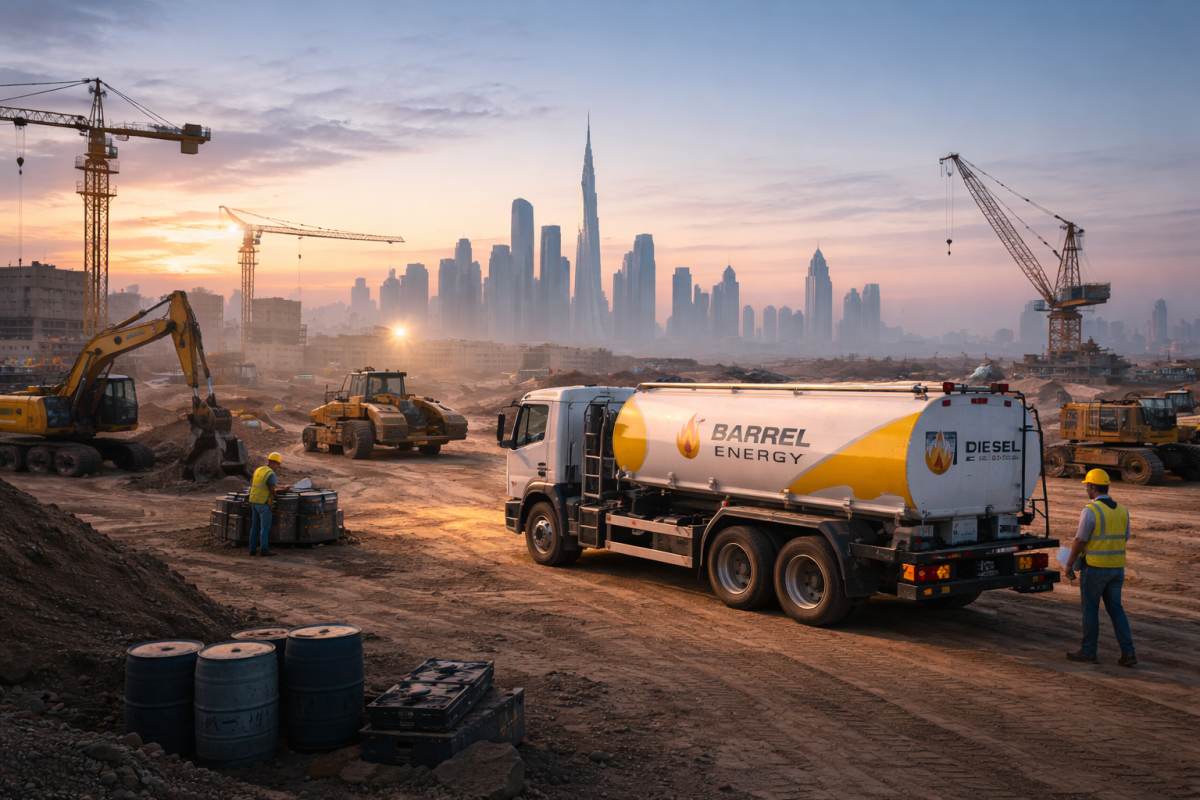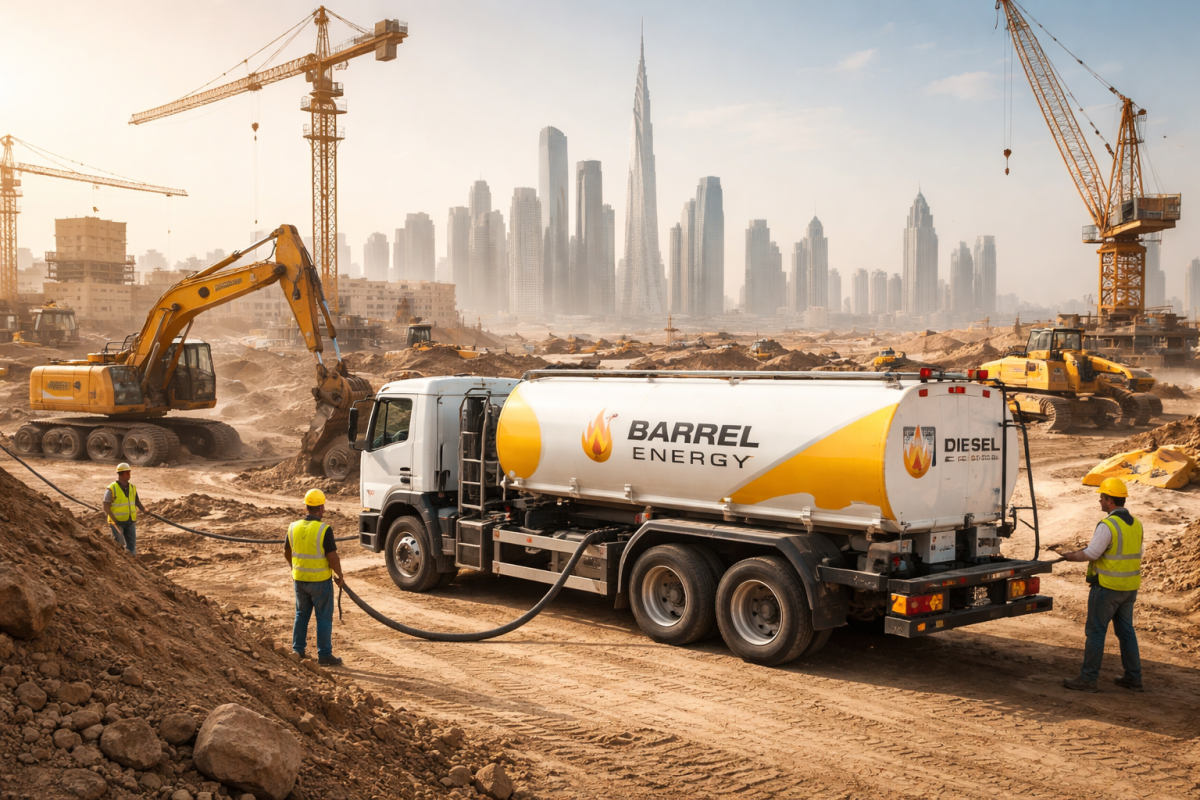

How Diesel Powers the UAE Logistics Industry

The UAE has become one of the world’s leading logistics and trade hubs. Its strategic location connects Asia, Europe, and Africa, making it an important center for global commerce. Every day, thousands of trucks, delivery vehicles, cargo handlers, and industrial machines work together to move goods across the country.

Behind this massive logistics network is a reliable source of energy: diesel fuel. From transportation fleets to port operations, diesel plays a critical role in ensuring products reach their destinations on time. Without diesel-powered equipment and vehicles, supply chains would face significant disruptions.

Understanding How Diesel Powers the UAE Logistics Industry helps businesses appreciate the importance of reliable fuel supply and efficient fuel management. As trade volumes continue to grow, diesel remains one of the most dependable energy sources supporting logistics operations across the UAE.

The Importance of Logistics in the UAE

Logistics is one of the most important sectors in the UAE economy. The country serves as a gateway for international trade and regional distribution.

Goods arriving through ports and airports must be transported quickly and efficiently. Logistics companies handle everything from transportation and warehousing to inventory management and last-mile delivery.

To maintain this level of efficiency, businesses depend on reliable fuel sources that can support continuous operations.

Why Diesel Remains the Preferred Fuel

Diesel fuel continues to be the preferred choice for logistics companies because it delivers strong performance and efficiency. Diesel engines produce high torque, making them ideal for carrying heavy loads over long distances.

Logistics companies need vehicles that can operate for long hours without sacrificing reliability. Diesel-powered trucks are built for demanding conditions and large-scale transportation tasks.

This combination of power and durability makes diesel an essential part of modern logistics operations.

Diesel Powers Transportation Networks

Road transportation is the backbone of the UAE logistics sector. Thousands of trucks move products between ports, warehouses, industrial zones, and retail locations every day.

Diesel-powered trucks are responsible for delivering construction materials, consumer goods, food products, and industrial equipment throughout the country.

Without reliable diesel fuel, transportation networks would face delays that could impact businesses and customers alike.

Supporting Port Operations

The UAE is home to some of the busiest ports in the region. These facilities handle millions of tons of cargo every year.

Diesel-powered cranes, cargo handling equipment, and transport vehicles help move containers efficiently within port areas. These machines operate continuously to ensure smooth cargo flow.

Port efficiency is directly linked to fuel availability and equipment reliability.

Fueling Warehousing and Distribution Centers

Warehouses are an important part of the logistics chain. Modern distribution centers rely on diesel-powered equipment to manage inventory and move products efficiently.

Forklifts, loading equipment, and backup generators often depend on diesel fuel. These systems help maintain operations even during unexpected power interruptions.

Reliable fuel supply helps warehouses operate smoothly and meet customer expectations.

The Role of Diesel in Last-Mile Delivery

The final stage of logistics is often called last-mile delivery. This is when products are transported from distribution centers to customers.

Delivery vehicles operate throughout cities and industrial areas every day. Diesel engines provide the reliability needed for frequent stops and continuous operation.

As e-commerce continues to grow, efficient delivery systems become even more important.

Diesel and Cold Chain Logistics

Certain products require temperature-controlled transportation. Food, pharmaceuticals, and medical supplies must be stored at specific temperatures during transit.

Diesel-powered refrigeration systems help maintain product quality throughout the supply chain.

Cold chain logistics is a critical industry that depends heavily on dependable fuel sources.

Supporting Construction and Industrial Logistics

Large construction and industrial projects require significant logistics support. Materials, machinery, and equipment must be transported efficiently between locations.

Heavy-duty vehicles powered by diesel handle these transportation requirements every day.

The ability to move large loads safely and efficiently makes diesel an essential part of industrial logistics.

Fuel Reliability and Business Continuity

One of the biggest advantages of diesel fuel is reliability. Logistics companies cannot afford interruptions in their operations.

A dependable diesel supplier in Dubai helps businesses maintain continuous operations and avoid costly delays.

Reliable fuel delivery ensures that fleets remain operational and supply chains continue moving without disruption.

Cost Efficiency in Logistics Operations

Fuel is one of the largest operating expenses for logistics companies. Efficient fuel management can significantly improve profitability.

Diesel engines are known for their fuel efficiency, especially during long-distance transportation. This helps businesses reduce operating costs while maintaining performance.

Many logistics companies invest in modern fleet management systems to monitor fuel consumption and improve efficiency.

Technology and Diesel Logistics

Technology is transforming logistics operations across the UAE. GPS tracking, route optimization, and fleet monitoring systems help businesses improve performance.

These technologies work alongside diesel-powered fleets to maximize efficiency and reduce unnecessary fuel consumption.

Smart fuel management systems also provide valuable insights into vehicle performance and fuel usage.

Environmental Improvements in Diesel Technology

Modern diesel technology is cleaner than ever before. Low-sulfur diesel and advanced engine systems have reduced emissions significantly.

The UAE continues to support cleaner fuel standards and environmentally responsible business practices.

These improvements allow logistics companies to balance operational efficiency with sustainability goals.

Diesel and Emergency Logistics Support

During emergencies or unexpected disruptions, logistics networks become even more important.

Diesel-powered vehicles and backup generators help maintain supply chain operations when challenges arise.

Essential goods such as food, medicine, and fuel can continue reaching communities because of reliable diesel-powered transportation systems.

Fuel Supply Chain Management

Effective fuel management is critical for logistics companies. Businesses need accurate forecasting and reliable supply partners to avoid shortages.

Many companies depend on a trusted diesel supplier in UAE to maintain fuel availability and operational efficiency.

Strong supplier relationships help logistics businesses manage costs and improve service reliability.

Growth of the UAE Logistics Sector

The UAE logistics industry continues to expand as international trade grows. New infrastructure projects, industrial developments, and e-commerce growth are increasing demand for transportation services.

Diesel fuel remains a key factor supporting this expansion. Logistics providers require dependable energy solutions to meet growing customer expectations.

As the sector develops, fuel efficiency and operational reliability will remain important priorities.

Future Opportunities for Diesel in Logistics

Despite the rise of alternative energy technologies, diesel continues to offer advantages for heavy-duty transportation and industrial logistics.

The Future of Diesel Fuel in the UAE Energy Market remains strong because many logistics operations require the power and reliability that diesel provides.

Businesses are likely to adopt a combination of traditional fuel systems and emerging technologies to improve efficiency.

Fuel Cost Management Strategies

Managing fuel costs is essential for long-term profitability. Companies are constantly looking for ways to improve efficiency and reduce waste.

Many businesses focus on strategies that explain How Businesses Can Reduce Diesel Fuel Costs through route optimization, vehicle maintenance, and smart fuel monitoring systems.

These efforts help logistics providers remain competitive while maintaining high service standards.

Challenges Facing Logistics Companies

The logistics industry faces several challenges, including fuel price fluctuations, increasing operational costs, and growing customer expectations.

Companies must continuously improve efficiency while maintaining service quality.

Reliable fuel supply and effective management practices help businesses overcome these challenges and maintain smooth operations.

Conclusion

How Diesel Powers the UAE Logistics Industry is a story of reliability, efficiency, and economic growth. Diesel fuel supports transportation networks, warehousing operations, port activities, and supply chain management across the country.

As logistics demand continues to increase, diesel remains one of the most important energy sources supporting business operations. Modern technology, improved fuel standards, and efficient management practices are helping the industry evolve while maintaining strong performance.

For logistics companies, reliable diesel supply remains essential for delivering products, supporting customers, and driving economic growth throughout the UAE.

FAQs

1. Why is diesel important for the UAE logistics industry?

Diesel powers trucks, cargo equipment, warehouse machinery, and backup systems that keep logistics operations running.

2. What logistics sectors rely most on diesel fuel?

Transportation fleets, ports, warehouses, construction logistics, and cold chain operations depend heavily on diesel.

3. Is diesel still efficient for logistics operations?

Yes. Modern diesel engines provide excellent fuel efficiency and strong performance for heavy-duty transportation.

4. How does diesel support supply chain reliability?

Diesel-powered vehicles and equipment help ensure goods are transported efficiently and on schedule.

5. Will diesel remain important in the future?

Yes. Diesel is expected to remain a key energy source for heavy transport and logistics operations for many years.
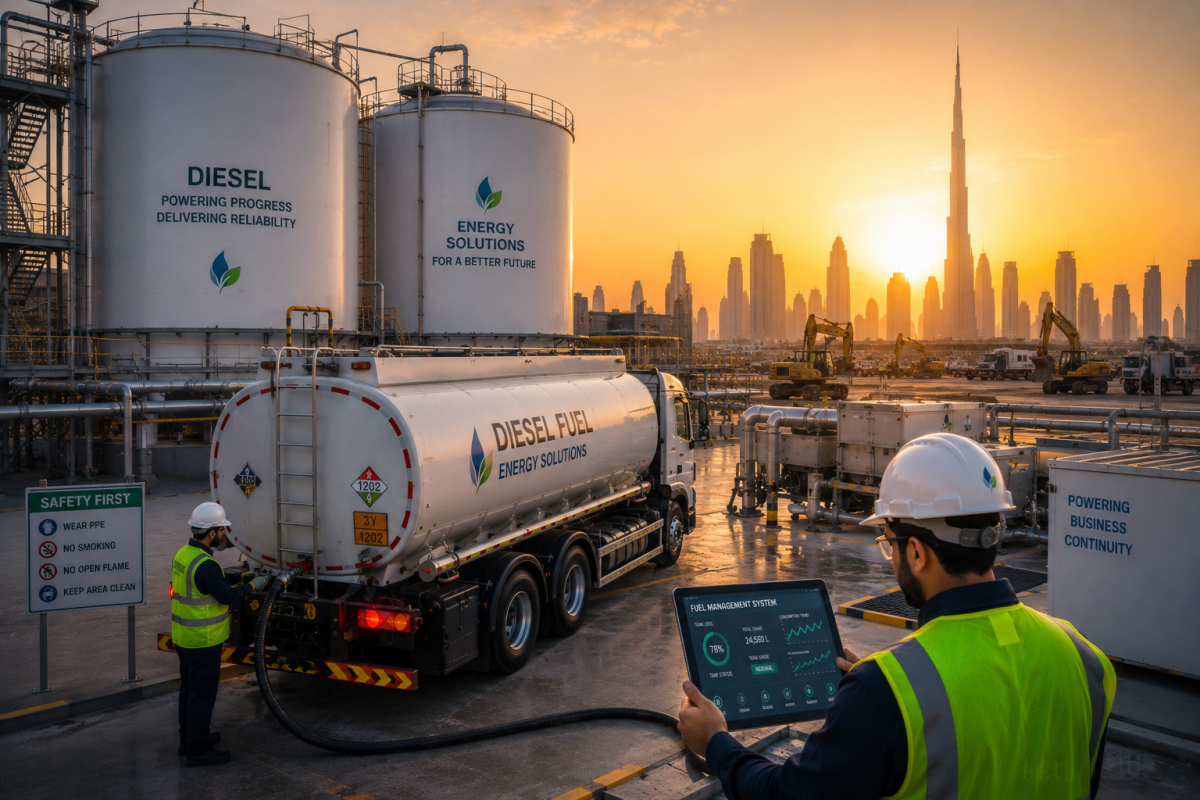
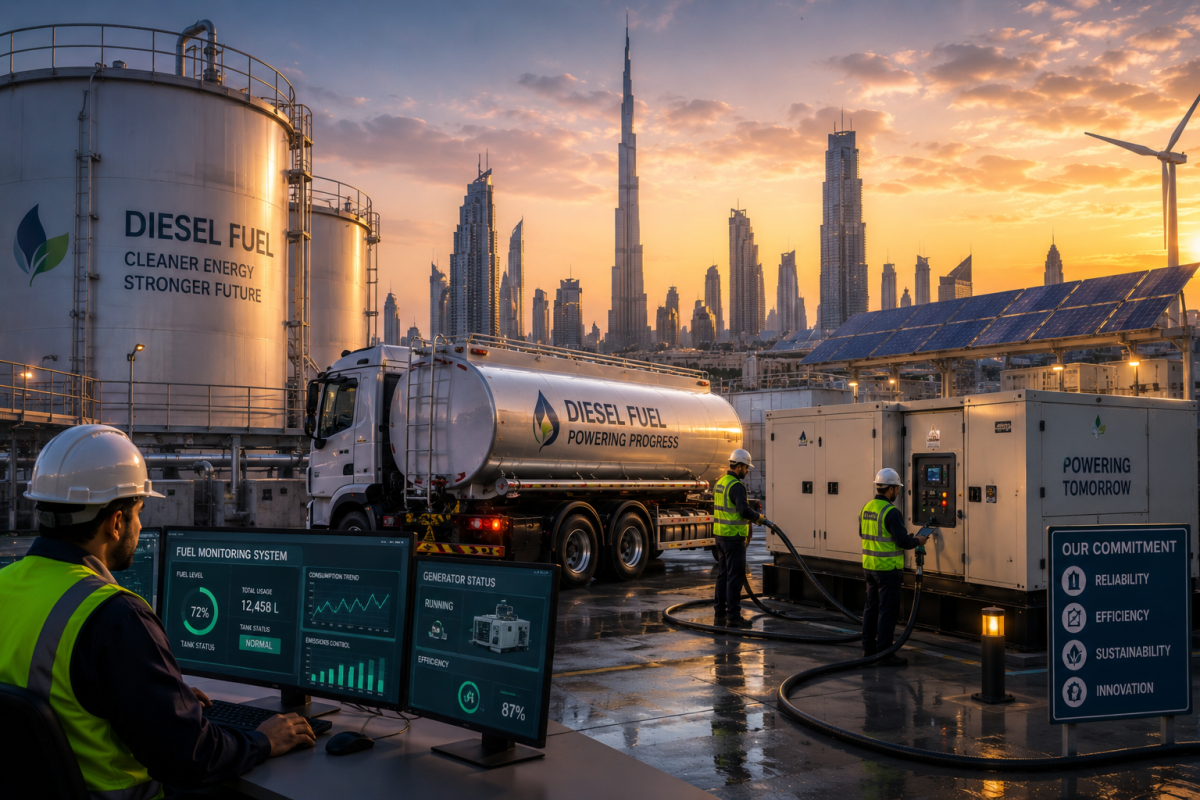
How Bulk Diesel Supply Helps Businesses Save Money

Fuel is one of the biggest operating expenses for many industries. Construction companies, transport fleets, factories, and logistics businesses all depend on diesel fuel every day. When fuel costs increase, businesses face pressure on profits and operational budgets.

This is why many companies are now focusing on smarter fuel solutions. One of the most effective methods is bulk diesel supply. Businesses that purchase diesel in large quantities can reduce costs, improve efficiency, and maintain uninterrupted operations.

Understanding How Bulk Diesel Supply Helps Businesses Save Money is important for companies that want better financial control and long-term operational stability. Bulk fuel systems help businesses manage fuel more effectively while reducing unnecessary expenses.

Why Diesel Fuel is Important for Businesses

Diesel fuel powers many industries across the UAE. Heavy equipment, trucks, generators, cranes, and industrial machinery rely on diesel for daily operations.

Businesses that depend on continuous fuel supply cannot afford delays or shortages. Even a short interruption may lead to downtime, project delays, or financial losses.

Diesel remains popular because it is reliable, efficient, and suitable for heavy-duty operations. This makes fuel management an important part of business planning.

What is Bulk Diesel Supply?

Bulk diesel supply means buying and storing large quantities of diesel fuel for business use. Fuel is delivered directly to storage tanks or fueling systems at business locations.

Instead of making frequent small fuel purchases, businesses maintain their own fuel reserves. This helps improve operational efficiency and reduces supply interruptions.

Bulk fuel delivery is commonly used by transport companies, industrial facilities, construction projects, and commercial operations.

Lower Fuel Costs Through Bulk Purchasing

One of the biggest advantages of bulk diesel supply is cost savings. Fuel suppliers often offer better prices for larger orders.

Businesses that buy fuel in bulk can reduce transportation charges and avoid repeated fuel purchase costs. Bulk pricing also helps companies manage budgets more effectively.

Fuel price fluctuations can impact operational expenses quickly. Bulk purchasing allows businesses to secure fuel at stable prices and reduce sudden cost increases.

Many companies work with a trusted diesel supplier in Dubai to improve fuel cost management and ensure timely fuel delivery.

Reduced Downtime and Better Productivity

Fuel shortages can stop operations completely. Construction projects may face delays, transport vehicles may remain idle, and generators may stop working during emergencies.

Bulk diesel storage helps businesses avoid these problems. Having fuel available on-site ensures equipment and vehicles remain operational.

Employees can focus on productivity instead of arranging frequent fuel purchases. This creates smoother operations and improves business performance.

Better Fuel Planning and Control

Bulk fuel systems help businesses track fuel usage more accurately. Companies can monitor consumption levels and identify areas where fuel may be wasted.

Modern fuel management systems provide real-time information about tank levels and fuel usage. Businesses can improve operational planning and reduce unnecessary fuel consumption.

Proper fuel control also helps prevent fuel theft and leakage.

Reliable Fuel Access During Emergencies

Unexpected situations can affect fuel supply chains. Power outages, delivery delays, or supply shortages can interrupt operations.

Businesses with bulk diesel storage are better prepared for emergencies. Backup generators and critical equipment can continue operating without delays.

Reliable fuel access improves business continuity and reduces operational risks during critical situations.

Improved Operational Efficiency

Operational efficiency is important for every business. Bulk fuel supply helps companies maintain consistent operations without frequent interruptions.

Scheduled fuel deliveries improve planning and reduce the need for emergency fuel purchases. This creates a more organized workflow.

Businesses using heavy machinery and transport fleets benefit greatly from continuous fuel availability.

Reduced Transportation and Delivery Costs

Frequent fuel purchases increase transportation expenses. Businesses may spend extra money and time arranging multiple fuel deliveries every week.

Bulk diesel supply reduces the number of fuel delivery trips required. This lowers transportation costs and improves efficiency.

Companies can also reduce administrative work related to repeated fuel orders and invoices.

Fuel Storage Benefits

On-site fuel storage gives businesses more flexibility and control. Companies can access fuel whenever needed without relying on external fuel stations.

Fuel storage tanks are available in different sizes depending on operational requirements. Proper storage systems also improve fuel organization and safety.

Regular inspections help maintain fuel quality and protect equipment from contamination issues.

Bulk Fuel Supply for Large Operations

Large industrial projects require a continuous fuel supply to maintain productivity. Construction companies and logistics operations often use significant amounts of diesel every day.

Bulk fuel delivery helps these businesses avoid delays and maintain project schedules. Reliable fuel access is especially important for remote project locations.

Many organizations also focus on How Businesses Can Reduce Diesel Fuel Costs by improving fuel efficiency and operational planning.

Environmental Benefits of Efficient Fuel Management

Efficient fuel management can reduce environmental impact. Businesses that monitor fuel usage carefully can reduce waste and improve sustainability efforts.

Modern storage systems help prevent leaks and contamination. Proper equipment maintenance also reduces emissions from diesel-powered machinery.

Businesses that focus on fuel efficiency often improve both operational performance and environmental responsibility.

Technology and Smart Fuel Systems

Technology is improving fuel management across many industries. Smart monitoring systems help businesses track fuel usage, tank levels, and delivery schedules in real time.

Automated fuel systems can improve reporting accuracy and reduce operational mistakes. Businesses can also identify fuel usage trends and improve planning decisions.

Digital fuel monitoring improves efficiency and supports better maintenance planning.

Choosing the Right Fuel Supplier

Choosing a reliable supplier is important for successful bulk fuel management. Businesses should work with suppliers known for fuel quality and professional service.

A dependable diesel supplier in UAE can help businesses maintain stable operations and avoid fuel-related disruptions.

Businesses should also consider delivery speed, fuel quality, and customer support when selecting a supplier.

Safety Considerations for Bulk Fuel Storage

Bulk fuel storage requires proper safety procedures. Storage tanks should be inspected regularly to prevent leaks or contamination.

Employees handling fuel should receive proper safety training. Emergency response plans should also be available in case of spills or accidents.

Following local safety and environmental regulations is essential for smooth operations.

Long-Term Financial Benefits

Bulk diesel supply offers long-term financial advantages for many businesses. Lower fuel costs, reduced downtime, and better operational efficiency improve profitability.

Businesses can also improve budgeting and financial planning through stable fuel management systems.

Companies that invest in efficient fuel solutions often gain a competitive advantage in the market.

Challenges of Bulk Fuel Supply

While bulk diesel supply offers many benefits, businesses should also manage certain challenges. Storage systems require regular maintenance and monitoring.

Initial setup costs for storage tanks and fuel systems may also be high. However, long-term savings usually outweigh these costs.

Proper fuel handling and management are important for maintaining safety and fuel quality.

Future of Bulk Diesel Supply

The demand for efficient fuel solutions is expected to continue growing in the future. Industries are constantly looking for ways to reduce operational costs and improve productivity.

Bulk fuel supply will remain important for businesses that rely heavily on diesel-powered systems. Advanced fuel technologies and digital monitoring tools will continue improving efficiency.

Companies that focus on fuel management and operational planning will remain competitive in the market.

Conclusion

Understanding How Bulk Diesel Supply Helps Businesses Save Money can help companies improve profitability and operational performance. Bulk fuel systems reduce fuel costs, improve efficiency, and provide reliable access to fuel during emergencies.

Businesses that invest in proper fuel management can reduce downtime, improve productivity, and achieve better financial control. Choosing reliable suppliers and using modern fuel systems also supports long-term business growth.

Bulk diesel supply remains one of the most practical and cost-effective fuel solutions for industries across the UAE.

FAQs

1. How does bulk diesel supply reduce business costs?

Bulk fuel purchasing provides better pricing and reduces transportation expenses.

2. Which industries benefit most from bulk diesel supply?

Construction, transportation, logistics, manufacturing, and industrial businesses benefit greatly.

3. Is bulk fuel storage safe?

Yes, proper storage systems and regular maintenance help ensure fuel safety.

4. Can bulk fuel supply improve productivity?

Yes, businesses avoid downtime and maintain continuous operations with reliable fuel access.

5. Why is fuel management important for businesses?

Good fuel management reduces waste, improves efficiency, and lowers operational costs.

Future of Diesel Fuel in the UAE Energy Market

The UAE energy sector is changing quickly. The country is investing in renewable energy, advanced technologies, and cleaner fuel solutions. Even with these changes, diesel fuel continues to play a major role in the economy. Many industries still depend on diesel for transportation, logistics, construction, and backup power systems.

The future of diesel fuel in the UAE energy market will be shaped by technology, regulations, and growing industrial demand. Businesses are looking for cleaner and more efficient fuel solutions while maintaining reliable operations.

Diesel remains important because it supports industries that require strong and continuous energy. From commercial fleets to heavy equipment, diesel fuel is still one of the most trusted energy sources in the region.

The Role of Diesel in the UAE Economy

Diesel fuel supports many sectors in the UAE. Transportation companies use diesel trucks for moving goods across cities and industrial zones. Construction companies rely on diesel-powered machinery for large infrastructure projects.

Industrial facilities also use diesel generators to maintain operations during power outages. Ports, warehouses, and logistics centers depend on diesel systems for daily activities.

The UAE economy continues to grow, and this growth increases the demand for reliable fuel solutions. Diesel remains a key part of this development.

Growing Demand for Reliable Energy

Many industries need uninterrupted energy to operate efficiently. Diesel fuel provides stability and reliability in situations where continuous power is necessary.

Backup generators powered by diesel are common in hospitals, factories, and commercial buildings. Businesses choose diesel systems because they can handle heavy loads and operate for long hours.

As industrial activity expands, the need for dependable energy solutions also grows. Diesel fuel continues to support these operations across the country.

Cleaner Diesel Technologies

Modern diesel technology is improving rapidly. New engines are more efficient and produce lower emissions compared to older systems.

Low-sulfur diesel has already become standard in many parts of the UAE. This cleaner fuel helps reduce air pollution and improves engine performance.

Advanced filtration systems and fuel treatment technologies are also helping businesses reduce environmental impact. These developments are improving the image of diesel fuel in the energy market.

Government Regulations and Sustainability

The UAE government is focusing on sustainability and environmental protection. Fuel quality standards and emissions regulations are becoming stricter.

Businesses are encouraged to use cleaner fuels and maintain equipment properly. These regulations are helping reduce pollution while improving energy efficiency.

At the same time, diesel fuel continues to remain important for industries that require high-performance energy systems. The balance between sustainability and industrial demand will shape the future market.

Diesel Fuel Regulations in the UAE are expected to continue evolving as the country works toward cleaner energy goals.

Diesel in Transportation and Logistics

The transportation sector remains one of the biggest users of diesel fuel. Delivery fleets, cargo trucks, and industrial transport vehicles depend on diesel engines because of their power and durability.

Electric vehicles are growing in popularity, but heavy transport still relies heavily on diesel technology. Long-distance logistics operations require fuel systems that are efficient and dependable.

Many businesses continue to work with a reliable diesel supplier in Dubai to maintain smooth transport operations.

The Importance of Backup Power Systems

Power reliability is critical in many industries. Diesel generators are widely used as backup systems during outages or emergencies.

Hospitals, data centers, hotels, and shopping centers use diesel-powered generators because they start quickly and operate efficiently during emergencies.

The demand for emergency power systems is expected to remain strong in the future. Diesel fuel continues to provide a practical solution for backup energy needs.

Diesel and Construction Projects

The UAE continues to invest in major infrastructure projects. Construction equipment such as excavators, cranes, and loaders mainly operate on diesel fuel.

These machines require strong and reliable engines to handle demanding work conditions. Diesel fuel provides the power needed for heavy-duty operations.

Large projects also require careful fuel planning and supply management. Many companies use Diesel Fuel Management Strategies for Large Projects to improve efficiency and reduce operational delays.

Fuel Efficiency and Cost Management

Fuel efficiency is becoming more important for businesses. Companies are looking for ways to reduce fuel consumption and operating costs.

Modern diesel engines are designed to use fuel more efficiently while maintaining strong performance. Businesses are also using monitoring systems to track fuel usage and improve fleet management.

Efficient fuel management can reduce waste and increase profitability. This is especially important for industries with high fuel consumption.

Technological Advancements in Diesel Systems

Technology is transforming the diesel industry. Smart fuel monitoring systems are becoming more common in commercial operations.

Digital tools help businesses track fuel levels, maintenance schedules, and generator performance in real time. These systems improve operational efficiency and reduce downtime.

Hybrid energy systems are also growing in popularity. Some businesses combine diesel generators with solar energy solutions for better efficiency.

Technology will continue to improve how diesel fuel is used in the UAE energy market.

Environmental Challenges

Despite improvements, diesel fuel still faces environmental concerns. Emissions and carbon output remain important issues for governments and environmental organizations.

Businesses are under pressure to reduce pollution and improve sustainability practices. Cleaner diesel technologies help address some of these concerns, but long-term environmental goals may lead to further changes in fuel regulations.

Companies that invest in efficient equipment and cleaner fuel systems will be better prepared for future market changes.

Future Opportunities in the Diesel Market

The future of diesel fuel in the UAE energy market still offers many opportunities. Industrial growth, logistics expansion, and infrastructure development continue to support fuel demand.

Backup power systems are also expected to remain important for many industries. Diesel fuel provides a reliable and practical solution in situations where uninterrupted power is critical.

Fuel suppliers that focus on quality, efficiency, and environmental compliance will continue to play a strong role in the market.

Businesses working with a trusted diesel supplier in UAE can improve fuel reliability and operational performance.

Challenges Facing the Industry

The diesel industry also faces several challenges. Rising environmental regulations may increase compliance costs for businesses.

Competition from renewable energy sources is another factor. Solar and electric technologies are growing in the UAE energy sector.

Fuel price fluctuations can also impact operational budgets. Businesses must plan carefully to manage costs and maintain profitability.

Despite these challenges, diesel fuel remains essential for many sectors that require heavy-duty power solutions.

The Future Outlook

Diesel fuel will continue to play an important role in the UAE energy market for many years. While renewable energy will grow, diesel remains necessary for transportation, construction, industrial operations, and backup power systems.

The industry is changing toward cleaner technologies and better fuel efficiency. Businesses that adapt to these changes will remain competitive and successful.

The future market will likely include a combination of traditional diesel systems and modern energy solutions. This balanced approach can support both industrial growth and environmental goals.

Conclusion

The future of diesel fuel in the UAE energy market remains strong despite changing energy trends. Diesel continues to support transportation, construction, logistics, and emergency power systems across the country.

Cleaner technologies, improved regulations, and smart fuel management systems are helping the industry evolve. Businesses that focus on efficiency and compliance can continue to benefit from diesel fuel solutions.

As the UAE moves toward a more sustainable future, diesel fuel will still remain an important part of the country’s energy infrastructure.

FAQs

1. Why is diesel fuel still important in the UAE?

Diesel supports transportation, construction, logistics, and backup power systems.

2. Is diesel fuel becoming cleaner in the UAE?

Yes, low-sulfur diesel and modern engine technologies are reducing emissions.

3. Will renewable energy replace diesel completely?

Renewable energy will grow, but diesel will still be needed for heavy-duty operations and backup systems.

4. What industries use the most diesel fuel?

Transportation, construction, manufacturing, and logistics industries use large amounts of diesel fuel.

5. How can businesses improve diesel fuel efficiency?

Regular maintenance, fuel monitoring systems, and modern equipment can improve efficiency.

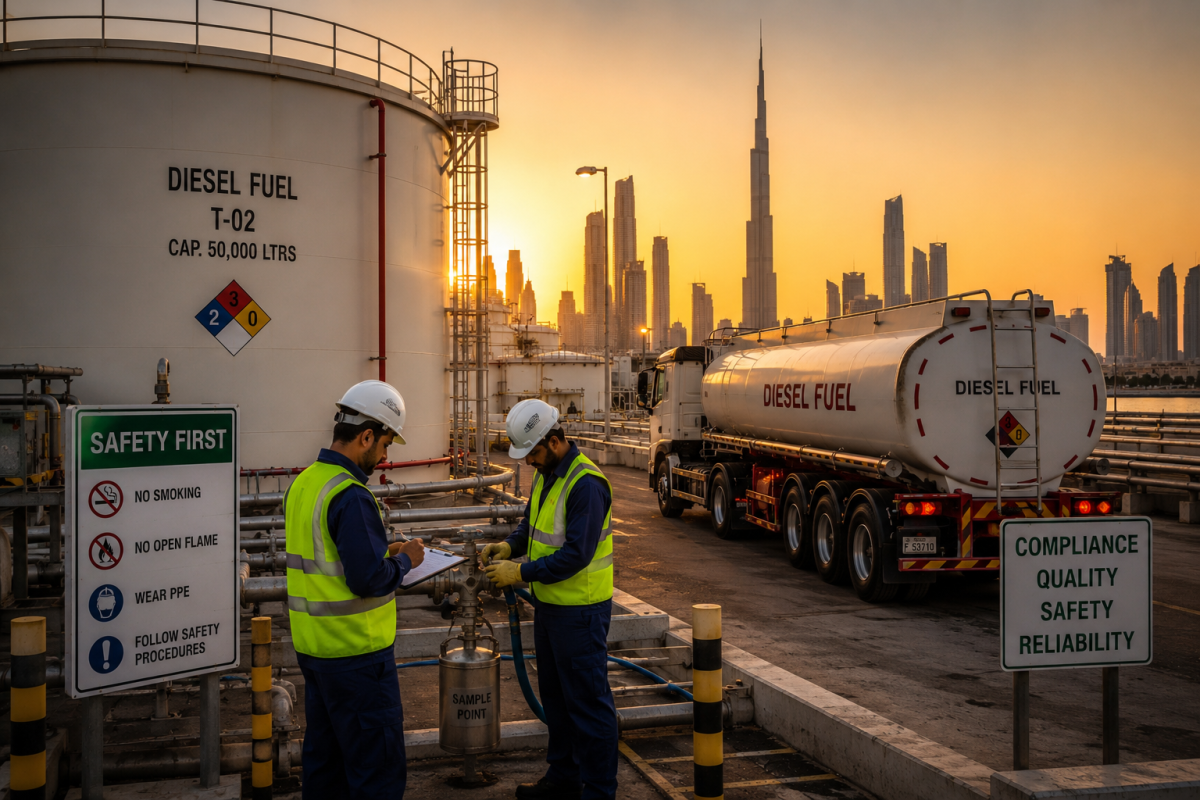
Diesel Fuel Regulations in the UAE: What Businesses Should Know

Fuel regulations are important for every business that uses diesel in the UAE. Whether a company works in transport, construction, logistics, or industrial operations, understanding fuel laws helps avoid fines and operational problems. Diesel Fuel Regulations in the UAE are designed to improve safety, protect the environment, and maintain fuel quality across the country.

The UAE has strict standards for fuel storage, transportation, and emissions. Businesses must follow these rules to operate legally and safely. Companies that ignore regulations may face penalties or disruptions in their operations.

This guide explains the key diesel fuel regulations in simple words. It also helps businesses understand how to stay compliant and efficient.

Why Fuel Regulations Matter

Fuel regulations protect people, equipment, and the environment. Poor-quality fuel can damage engines and increase pollution. Unsafe storage can also create fire risks and accidents.

The UAE government continues to improve fuel standards to support cleaner energy use. Businesses that follow regulations can improve operational safety and reduce maintenance costs.

Regulations also create fairness in the market. All suppliers and businesses must meet the same standards.

Overview of Diesel Fuel Regulations in the UAE

Diesel Fuel Regulations in the UAE cover several important areas. These include fuel quality, storage requirements, transportation rules, and environmental standards.

Government authorities monitor fuel operations closely. Businesses are expected to follow approved safety procedures and maintain proper documentation.

Companies must also work with licensed suppliers to ensure fuel quality and compliance.

Fuel Quality Standards

The UAE introduced cleaner diesel standards to reduce harmful emissions. Low-sulfur diesel is now widely used across the country.

Low sulfur content helps improve air quality and reduces engine pollution. Businesses using old or non-compliant fuel may face environmental violations.

Fuel testing is also important. Authorities may inspect fuel samples to ensure compliance with national standards.

Working with a reliable diesel supplier in Dubai helps businesses maintain fuel quality and avoid operational issues.

Diesel Storage Regulations

Proper fuel storage is one of the most important parts of compliance. Diesel must be stored in approved tanks that meet safety requirements.

Storage tanks should be protected from leaks, heat, and contamination. Regular inspections are necessary to check tank condition and fuel quality.

Businesses should also install spill prevention systems. These systems help reduce environmental damage during accidents.

Storage areas must follow fire safety guidelines. Proper ventilation and emergency equipment are also required.

Transportation Rules for Diesel Fuel

Transporting diesel fuel requires special safety measures. Fuel transport vehicles must meet UAE safety standards and carry approved documentation.

Drivers handling diesel transport should receive proper training. Vehicles must also display safety signs and follow approved transport routes when necessary.

Fuel spills during transportation can lead to serious penalties. Businesses should ensure that transport equipment is maintained regularly.

Companies often depend on a trusted diesel supplier in UAE for safe and compliant fuel delivery services.

Environmental Regulations

Environmental protection is a major focus in the UAE. Diesel emissions are monitored to reduce pollution and improve air quality.

Businesses using generators and industrial equipment should maintain engines properly. Poor maintenance can increase emissions and violate environmental standards.

The UAE also encourages companies to use cleaner fuel technologies where possible.

Waste fuel disposal is another important area. Used fuel and contaminated materials must be disposed of safely through approved channels.

Safety Requirements for Businesses

Safety is a key part of diesel fuel regulations. Businesses should train employees on proper fuel handling procedures.

Emergency response plans are also necessary. Staff should know how to respond to spills, leaks, or fire incidents.

Protective equipment should always be available in fuel handling areas. Warning signs and restricted access zones also improve workplace safety.

Regular safety audits help businesses identify risks before they become serious problems.

Licensing and Documentation

Many fuel-related activities require government approvals. Businesses may need licenses for storage tanks, fuel transportation, or bulk fuel operations.

Keeping records is also important. Companies should maintain documents related to fuel purchases, inspections, and maintenance activities.

Authorities may request records during inspections. Accurate documentation helps businesses prove compliance.

Impact on Industries

Many industries depend heavily on diesel fuel. Construction companies use diesel-powered machinery daily. Logistics companies rely on diesel trucks for transportation.

Manufacturing facilities also use diesel generators and industrial systems. Compliance with fuel regulations helps these industries avoid delays and penalties.

Some businesses also use Diesel Fuel for Emergency Backup Power Systems to maintain operations during power outages. Proper fuel management is important in these situations.

Common Compliance Challenges

Many businesses face challenges when following diesel fuel regulations. One common issue is poor fuel storage management.

Another challenge is lack of employee training. Workers who do not understand safety procedures can increase operational risks.

Small businesses may also struggle with documentation and inspection requirements.

Regular maintenance and working with professional fuel suppliers can reduce these challenges significantly.

Benefits of Compliance

Following Diesel Fuel Regulations in the UAE offers many advantages. Businesses can improve safety and reduce operational risks.

Proper fuel management also improves equipment performance. Clean fuel helps engines last longer and reduces maintenance costs.

Compliance also improves company reputation. Customers and partners trust businesses that follow safety and environmental standards.

Avoiding penalties and operational disruptions is another major benefit.

Future of Diesel Regulations in the UAE

The UAE continues to focus on sustainability and cleaner energy solutions. Fuel regulations may become stricter in the future.

Businesses should stay updated with changing laws and industry standards. Investing in efficient equipment and better fuel systems can help companies prepare for future requirements.

Digital monitoring systems are also becoming more common. These systems help businesses track fuel usage, storage conditions, and compliance records more effectively.

Tips for Staying Compliant

Businesses should conduct regular inspections of storage tanks and fuel systems. Employee training should also be updated frequently.

Working with licensed fuel suppliers is very important. Reliable suppliers help ensure fuel quality and proper delivery procedures.

Companies should also review local regulations regularly. Staying informed helps avoid unexpected compliance issues.

Professional maintenance services can also improve operational safety and efficiency.

Conclusion

Diesel Fuel Regulations in the UAE are important for safety, environmental protection, and operational efficiency. Businesses that use diesel fuel must understand storage rules, transport standards, and fuel quality requirements.

Following regulations helps companies avoid penalties and improve performance. Proper training, maintenance, and fuel management are essential for long-term success.

As the UAE continues to strengthen environmental and safety standards, businesses should remain proactive and prepared. Compliance is not only a legal requirement but also a smart business decision.

FAQs

1. Why are diesel fuel regulations important in the UAE?

They help improve safety, reduce pollution, and maintain fuel quality standards.

2. What type of diesel is commonly used in the UAE?

Low-sulfur diesel is widely used because it produces fewer emissions.

3. Do businesses need licenses for diesel storage?

Yes, many fuel storage activities require approvals and compliance with safety standards.

4. How can businesses improve diesel fuel compliance?

Regular inspections, employee training, and working with licensed suppliers help improve compliance.

5. What happens if a company violates diesel fuel regulations?

Businesses may face fines, operational restrictions, or legal penalties.

Diesel Fuel Management Strategies for Large Projects

Large projects depend heavily on diesel fuel. Construction sites, industrial operations, and infrastructure projects all need a steady fuel supply. Without proper planning, fuel costs can increase quickly. That is why diesel fuel management strategies for large projects are very important.

Managing fuel is not only about supply. It is about efficiency, cost control, and reliability. When businesses follow the right strategies, they can reduce waste and improve performance.

Understand Fuel Demand

The first step in fuel management is understanding your fuel needs. Large projects often have many machines and vehicles. Each one consumes diesel at a different rate.

You should calculate daily and weekly fuel consumption. This helps you plan better and avoid shortages. It also prevents over-ordering, which can increase storage risks.

Accurate demand planning helps keep operations smooth.

Work with a Reliable Supplier

Choosing the right supplier is critical. A trusted Diesel supplier in Dubai ensures consistent delivery and high-quality fuel.

Low-quality diesel can damage engines and increase maintenance costs. Reliable suppliers also provide flexible delivery schedules. This is important for large projects where timing matters.

A good supplier becomes a long-term partner for your success.

Use Proper Fuel Storage

Fuel storage plays a big role in management. Poor storage can lead to contamination and losses.

Use high-quality storage tanks. Keep them clean and protected from dust and water. Regular inspections are necessary to maintain fuel quality.

Safe storage reduces risks and ensures fuel is ready when needed.

Monitor Fuel Usage

Tracking fuel usage is very important. Without monitoring, it is hard to control costs.

Use digital systems to track consumption. These systems provide real-time data. They help identify areas where fuel is being wasted.

Monitoring also improves accountability among workers and operators.

Train Operators and Staff

People play a key role in fuel management. Poor handling and driving habits can increase fuel consumption.

Train your team to use machines properly. Encourage smooth driving and avoid sudden acceleration. Turn off engines when not in use.

Small changes in behavior can lead to big savings.

Plan Equipment Usage

Large projects often run multiple machines at the same time. This can increase fuel usage if not managed properly.

Plan equipment usage carefully. Avoid running machines without work. Schedule operations in a way that reduces idle time.

Efficient planning helps reduce unnecessary fuel consumption.

Prevent Fuel Theft

Fuel theft is a common problem in large projects. Even small losses can add up over time.

Install monitoring systems and secure storage areas. Keep detailed records of fuel usage. Investigate any unusual patterns.

Strong control measures help protect your resources.

Maintain Equipment Regularly

Well-maintained machines use less fuel. Poor maintenance increases fuel consumption and causes breakdowns.

Check engines, filters, and fuel systems regularly. Replace worn-out parts on time. Use the right lubricants.

Maintenance improves efficiency and reduces long-term costs.

Optimize Delivery and Logistics

Fuel delivery should be well planned. Delays can stop operations and increase costs.

Work with suppliers who offer timely delivery. Plan deliveries based on project needs. Avoid last-minute orders.

Efficient logistics ensure smooth operations.

Use Diesel Fuel for Emergency Backup Power Systems

Large projects often face unexpected power issues. Using Diesel Fuel for Emergency Backup Power Systems ensures operations continue without interruption.

Backup generators are essential for critical tasks. Proper fuel management ensures they are always ready.

This reduces downtime and protects project timelines.

Adopt Fuel Management Technology

Technology can improve fuel management. Modern systems track usage, detect leaks, and provide reports.

These tools help businesses make better decisions. They also reduce human errors.

Investing in technology can lead to long-term savings.

Bulk Fuel Purchasing

Buying diesel in bulk is a smart strategy for large projects. It reduces cost per liter and ensures availability.

Bulk purchasing also protects against price fluctuations. It helps businesses manage budgets more effectively.

Proper storage is important when buying in large quantities.

Reduce Idle Time

Idle machines consume fuel without doing work. This is a major source of waste.

Set clear rules to reduce idle time. Train operators to turn off engines when not needed.

Reducing idle time can significantly lower fuel costs.

Conduct Regular Audits

Fuel audits help identify problems. They show where fuel is being wasted or misused.

Compare current data with past records. Look for changes in consumption patterns.

Regular audits help improve efficiency over time.

Build a Fuel Management Plan

A clear plan is essential for success. It should include fuel usage, storage, delivery, and monitoring.

Assign responsibilities to team members. Set clear goals for fuel savings.

A structured plan ensures better control and results.

Conclusion

Diesel fuel management strategies for large projects are essential for cost control and efficiency. By understanding fuel needs, choosing reliable suppliers, and using modern tools, businesses can reduce waste and improve performance.

Fuel management is not a one-time task. It requires continuous monitoring and improvement. With the right approach, large projects can achieve better results and higher profitability.

FAQs

What are diesel fuel management strategies for large projects?

They are methods used to control fuel usage, reduce costs, and ensure efficient supply for large operations.

Why is fuel monitoring important?

It helps track usage, identify waste, and improve efficiency.

How can bulk purchasing help?

It reduces cost per liter and ensures fuel availability for large projects.

What role does maintenance play in fuel efficiency?

Well-maintained equipment uses less fuel and performs better.

How can businesses prevent fuel theft?

By using monitoring systems, secure storage, and regular audits.

How Businesses Can Reduce Diesel Fuel Costs | Smart Fuel Saving Strategies UAE

Fuel costs are one of the biggest expenses for many businesses. This is especially true for industries like construction, logistics, manufacturing, and transport. Diesel powers generators, heavy equipment, and fleets. When prices rise, profits shrink. That is why learning how businesses can reduce diesel fuel costs is very important.

Reducing fuel costs is not only about saving money. It also helps improve efficiency and long-term growth. With the right approach, businesses can control expenses without affecting performance.

Understand Your Fuel Usage

The first step to reduce fuel costs is to understand how much fuel your business uses. Many companies do not track fuel usage properly. This leads to waste and hidden losses.

You should monitor daily and monthly consumption. Use simple tracking tools or software. Check where fuel is being used the most. Identify machines or vehicles that consume more diesel than others.

When you have clear data, it becomes easier to take action.

Choose a Reliable Fuel Partner

Working with the right supplier can make a big difference. A trusted Diesel supplier in Dubai can provide quality fuel at competitive prices. Poor-quality diesel can damage equipment and increase consumption.

Reliable suppliers also ensure timely delivery. This helps avoid downtime and emergency purchases at higher prices.

Consistency in fuel quality and supply helps businesses stay efficient.

Improve Equipment Efficiency

Old or poorly maintained equipment uses more diesel. Regular maintenance is key to reducing fuel consumption.

Simple steps like cleaning filters, checking engines, and using proper lubricants can improve efficiency. Well-maintained machines run smoothly and use less fuel.

Upgrading to modern equipment may require investment. But in the long run, it reduces fuel costs and improves productivity.

Train Drivers and Operators

Human behavior plays a big role in fuel usage. Drivers and machine operators should be trained properly.

Avoid harsh acceleration and sudden braking. Maintain steady speeds. Turn off engines when not in use. These small habits can save a lot of diesel over time.

Training programs can help build these habits. Even small improvements in driving style can lead to big savings.

Plan Routes and Operations

Route planning is very important for businesses with fleets. Poor route planning leads to longer distances and higher fuel use.

Use GPS and route optimization tools. Choose shorter and less congested routes. Plan deliveries in a way that reduces empty trips.

Efficient planning saves time and reduces diesel consumption.

Monitor Fuel Theft and Leakage

Fuel theft is a common issue in many businesses. Small amounts lost daily can become a big problem over time.

Install fuel monitoring systems. Keep records of fuel usage. Check for unusual patterns.

Also inspect tanks and pipelines for leaks. Fix issues quickly to avoid losses.

Bulk Purchasing Benefits

Buying diesel in bulk can help reduce costs. Many suppliers offer better rates for large orders.

This is especially useful for businesses with high fuel needs. Bulk storage ensures you always have fuel available. It also protects you from sudden price increases.

Working with a reliable diesel supplier in UAE can help you get better deals and consistent supply.

Use Fuel-Efficient Vehicles

If your business depends on transportation, fuel-efficient vehicles are a smart choice. Modern engines are designed to use less diesel.

Consider replacing older vehicles with newer models. Hybrid or energy-efficient options can also reduce fuel costs.

Though the initial cost may be higher, the long-term savings are significant.

Reduce Idle Time

Idling wastes fuel without doing any work. Many businesses overlook this factor.

Encourage drivers and operators to turn off engines when idle. Even a few minutes of idling each day can add up to large fuel waste over time.

Setting clear policies can help reduce unnecessary idling.

Optimize Generator Usage

Many businesses in UAE rely on generators for backup power. Generators consume a large amount of diesel.

Use generators only when needed. Avoid running them at low loads for long periods. Regular maintenance also improves efficiency.

Choosing the right generator size for your needs can reduce fuel consumption.

Benefits of Working with Local Diesel Suppliers

Working with local suppliers offers many advantages. The Benefits of Working with Local Diesel Suppliers include faster delivery, better pricing, and reliable support.

Local suppliers understand market conditions. They can offer flexible solutions based on your needs. This helps businesses manage fuel costs more effectively.

Adopt Fuel Management Systems

Technology can help control fuel usage. Fuel management systems track consumption in real time.

These systems provide reports and alerts. They help identify waste and improve planning.

Investing in such systems can bring long-term savings.

Negotiate Better Contracts

Do not accept standard pricing from suppliers. Always negotiate for better deals.

Long-term contracts can offer lower rates. Discuss delivery schedules and payment terms.

Building strong relationships with suppliers can also lead to better pricing.

Encourage a Fuel-Saving Culture

Fuel saving should be part of company culture. Employees should understand the importance of reducing fuel costs.

Set clear goals and track progress. Reward teams that achieve fuel-saving targets.

When everyone works together, results improve.

Regular Audits and Reviews

Conduct regular fuel audits. Check consumption patterns and compare with previous data.

Identify areas where fuel usage has increased. Take corrective actions quickly.

Continuous improvement is key to long-term savings.

Conclusion

Understanding how businesses can reduce diesel fuel costs is essential for growth and sustainability. Simple steps like monitoring usage, maintaining equipment, and choosing the right supplier can make a big difference.

Fuel costs will always be a major expense. But with smart planning and efficient practices, businesses can control these costs and improve profitability.

FAQs of How Businesses Can Reduce Diesel Fuel Costs

How can businesses reduce diesel fuel costs quickly?

Businesses can reduce costs by monitoring fuel usage, reducing idle time, and improving driver behavior.

Does fuel quality affect diesel consumption?

Yes, poor-quality fuel can reduce engine efficiency and increase consumption.

Is bulk diesel purchasing a good idea?

Yes, buying in bulk often reduces cost per liter and ensures consistent supply.

How does route planning help save fuel?

Efficient routes reduce travel distance and time, which lowers fuel usage.

Why is equipment maintenance important?

Well-maintained equipment uses less fuel and performs better.

Diesel Fuel for Emergency Backup Power Systems

Power outages can happen at any time. They may come from storms, system failures, or unexpected technical issues. When electricity stops, businesses and homes face serious problems. This is where diesel fuel for emergency backup power systems becomes important. Diesel generators provide a dependable solution when the main power supply fails.

Many industries depend on constant power. Hospitals, data centers, factories, and even small businesses cannot afford downtime. Diesel-powered systems help them continue operations without interruption. These systems are trusted worldwide because they are strong, efficient, and reliable.

Why Diesel is Used for Backup Power

Diesel fuel has been used for many years in backup power systems. It is known for its durability and efficiency. Diesel engines can run for long hours without stopping. This makes them ideal for emergencies.

Diesel generators also require less maintenance compared to other fuel types. They have fewer parts and are built to handle heavy loads. This means they can perform well even in tough conditions.

Another reason is fuel availability. Diesel is widely available in most regions. This ensures that users can refill their systems easily when needed.

How Diesel Backup Systems Work

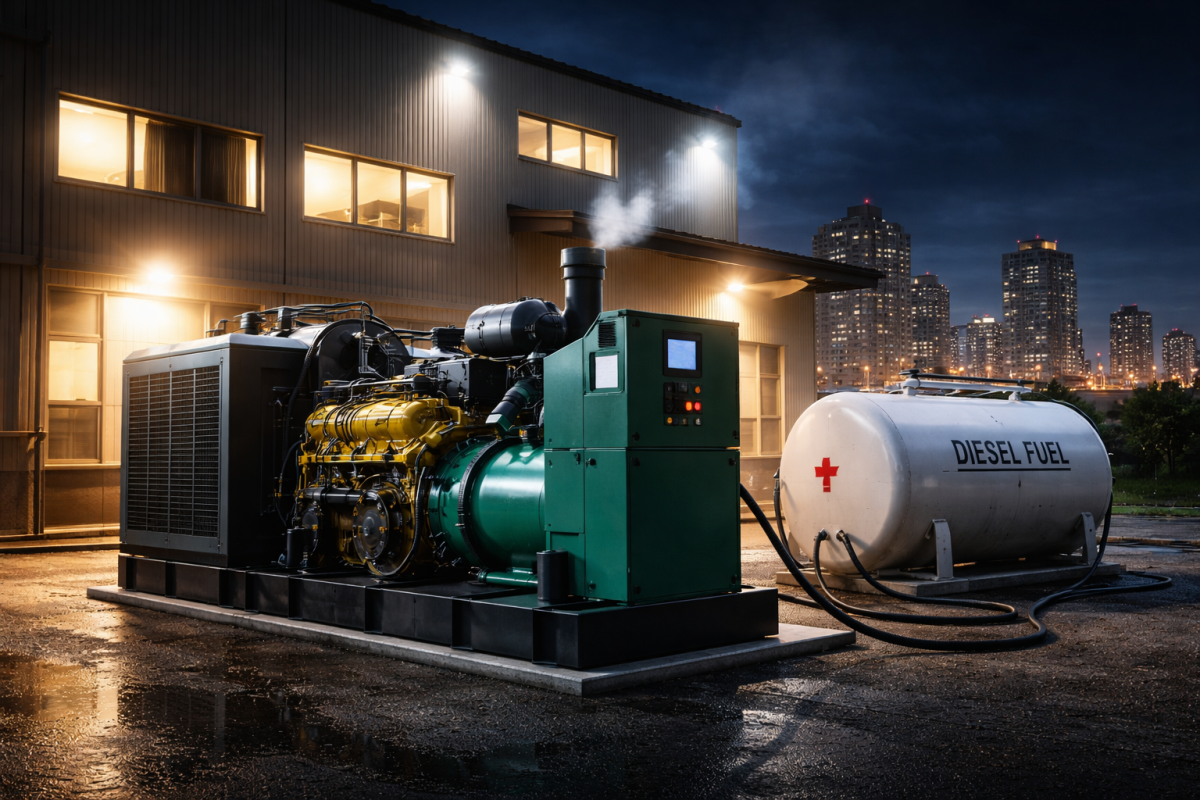
Diesel backup systems are simple to understand. When the main power supply fails, the generator starts automatically. It uses diesel fuel to produce electricity.

The system includes a fuel tank, engine, alternator, and control panel. The engine burns diesel to create mechanical energy. The alternator then converts this energy into electricity.

These systems are designed to start within seconds. This quick response helps reduce downtime and protects important equipment.

Benefits of Diesel Fuel in Emergency Systems

Diesel fuel offers several advantages for backup power. One of the main benefits is reliability. Diesel generators can run for long periods without failure.

Another benefit is efficiency. Diesel engines use less fuel compared to petrol engines. This makes them cost-effective over time.

Safety is also important. Diesel fuel is less flammable than other fuels. This reduces the risk of fire hazards.

Diesel systems are also powerful. They can handle heavy loads and support large facilities. This makes them suitable for industrial and commercial use.

Cost Efficiency and Long-Term Value

Diesel generators may have a higher initial cost. However, they provide long-term savings. Their fuel efficiency reduces operating costs over time.

Maintenance costs are also lower. Diesel engines are built to last longer. This means fewer repairs and replacements.

Businesses that rely on continuous power often choose diesel systems. They see them as a long-term investment rather than a short-term expense.

Fuel Storage and Management

Proper fuel storage is very important. Diesel fuel must be stored in clean and safe tanks. This helps maintain its quality.

Regular inspection is necessary. Water and dirt can affect fuel performance. Keeping tanks clean ensures smooth operation.

It is also important to store enough fuel for emergencies. Planning ahead helps avoid shortages during power outages.

Many companies work with a trusted diesel supplier in Dubai to ensure consistent fuel supply. Reliable suppliers help maintain fuel quality and availability.

Applications of Diesel Backup Systems

Diesel backup systems are used in many sectors. Hospitals use them to keep life-saving equipment running. Data centers rely on them to protect valuable data.

Factories use diesel generators to avoid production losses. Even homes use them for comfort and safety.

Telecommunication networks also depend on backup power. Without it, communication systems may fail.

In regions with frequent outages, diesel systems are a necessity. They provide peace of mind and security.

Environmental Considerations

Diesel fuel has improved over the years. Modern diesel engines produce fewer emissions. They are more efficient and environmentally friendly.

Low-sulfur diesel is now widely used. It helps reduce air pollution. Regular maintenance also improves performance and reduces emissions.

Businesses are also exploring cleaner technologies. However, diesel remains a strong and reliable option for backup power.

Choosing the Right Diesel Generator

Selecting the right generator is important. It depends on power needs and usage. Small systems are suitable for homes, while large systems are needed for industries.

Fuel capacity is another factor. Larger tanks allow longer operation during outages.

It is also important to consider noise levels and installation space. A professional can help choose the best system.

Working with a diesel supplier in UAE ensures that you get the right fuel support for your system.

Maintenance and Best Practices

Regular maintenance keeps diesel systems running smoothly. Checking oil levels, filters, and fuel quality is important.

Testing the generator regularly ensures it works during emergencies. This helps avoid unexpected failures.

Keeping spare parts and having a maintenance plan is also useful. This reduces downtime and improves reliability.

Future of Diesel Backup Systems

Technology is improving diesel systems. Modern generators are more efficient and quieter. They also have smart controls for better performance.

Hybrid systems are also becoming popular. They combine diesel with renewable energy sources.

Despite new technologies, diesel remains a trusted choice. Its reliability and efficiency make it hard to replace.

Understanding Factors That Affect Diesel Prices in UAE | Barrel Energy Fuel Insights can help businesses plan fuel costs better. Price changes can impact operational budgets.

Conclusion

Diesel fuel plays a key role in emergency backup power systems. It provides reliable and efficient energy during outages. From homes to industries, diesel generators are widely used.

Proper planning, maintenance, and fuel management are important for the best performance. Choosing the right system ensures safety and efficiency.

Diesel backup systems offer peace of mind. They help people stay prepared for unexpected power failures.

FAQs for Diesel Fuel for Emergency Backup Power Systems

1. Why is diesel preferred for backup generators?
Diesel is reliable, efficient, and suitable for long operation hours.

2. How long can a diesel generator run?
It depends on fuel capacity, but many can run for several hours or even days.

3. Is diesel fuel safe to store?
Yes, it is less flammable than petrol and safe when stored properly.

4. How often should a diesel generator be maintained?
Regular checks should be done monthly, with full servicing as recommended.

5. Can diesel generators be used for homes?
Yes, smaller diesel generators are suitable for residential use.

Diesel for Marine Operations in the UAE

Marine operations are a key part of the UAE economy. The country has busy ports, strong shipping networks, and growing offshore industries. From cargo ships to fishing boats, marine activities depend heavily on fuel. Diesel is one of the most important fuels used in this sector.

Reliable fuel supply is necessary for smooth marine operations. Without it, vessels cannot operate efficiently. This can cause delays and financial loss.

Importance of Marine Industry in UAE

The UAE has some of the busiest ports in the region. It is a global hub for trade and logistics. Ships arrive and depart every day carrying goods across the world.

Marine operations include cargo transport, offshore drilling, fishing, and tourism. All these sectors depend on fuel to function properly.

Diesel plays a major role in powering marine engines and supporting daily operations.

Diesel for Marine Operations in the UAE

Diesel is widely used in marine engines because of its strength and efficiency. It provides high energy output and works well under heavy loads.

Marine engines often run for long hours. Diesel helps maintain performance without frequent stops. It also offers better fuel economy compared to other options.

These benefits make diesel a reliable choice for marine operations.

Fuel Supply Challenges in Marine Sector

Marine operations face unique challenges when it comes to fuel supply. Ships operate in open waters and remote locations.

Refueling at the right time is very important. Delays in fuel supply can disrupt schedules and increase costs.

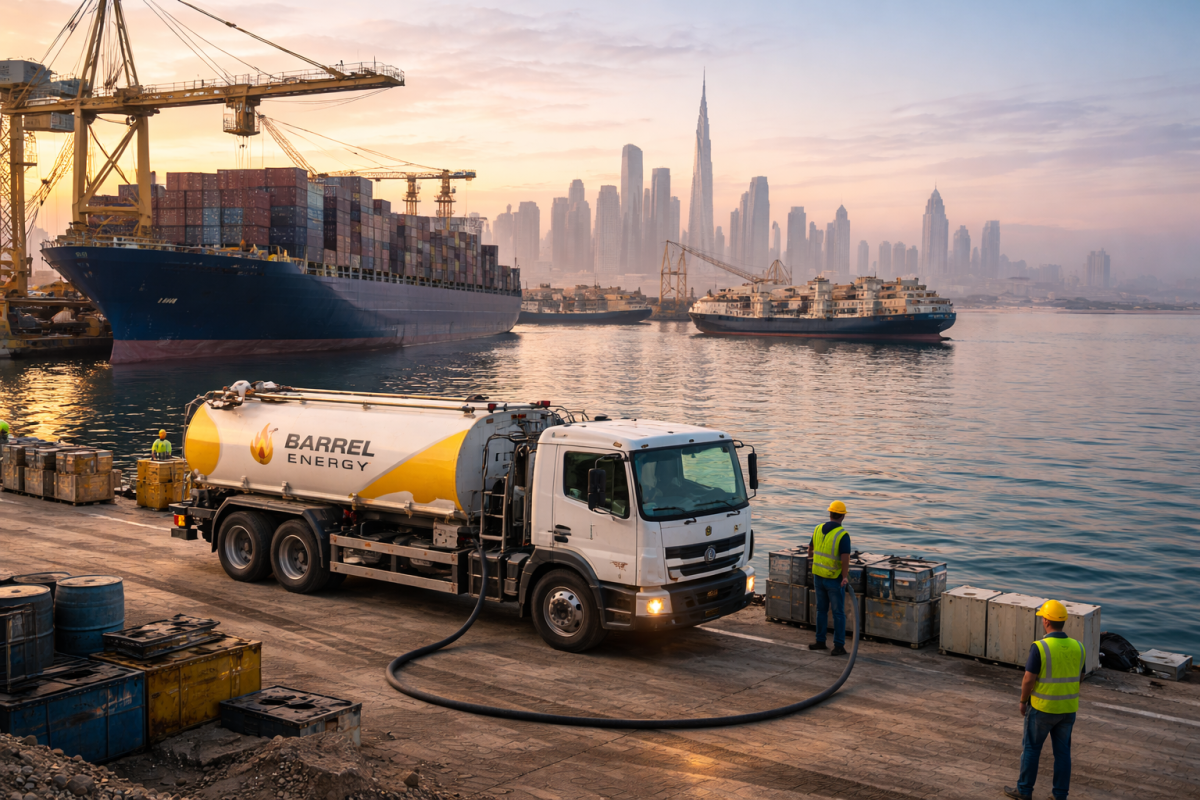
This is why many operators depend on a diesel supplier in Dubai to ensure timely delivery at ports and coastal areas.

On-Time Fuel Delivery at Ports

Supporting Offshore Operations

Offshore activities such as oil and gas exploration require a continuous fuel supply. Equipment and vessels used in these operations run on diesel.

These projects are located far from the mainland. Fuel delivery to offshore sites requires careful coordination.

A reliable diesel supplier in UAE ensures that fuel reaches these locations safely and on time.

Fueling Fishing and Small Marine Businesses

Fishing boats and small marine businesses also depend on diesel. These operations are important for local economy and food supply.

Affordable and accessible fuel helps these businesses run smoothly. Regular fuel availability ensures that daily activities are not affected.

Storage and Handling of Marine Diesel

Proper storage of diesel is important in marine environments. Fuel must be stored safely to avoid contamination.

Water and dirt can affect fuel quality. This can damage engines and reduce efficiency.

Suppliers follow strict guidelines to maintain fuel quality during storage and transport.

Why Diesel Quality Matters for Heavy Equipment in UAE

Fuel quality plays a major role in engine performance. Low-quality diesel can cause engine damage and increase maintenance costs.

High-quality diesel ensures smooth engine operation and longer lifespan. It also improves fuel efficiency and reduces emissions.

Using good quality fuel is important for both marine vessels and heavy equipment.

Environmental Considerations in Marine Fuel Use

Marine operations can impact the environment if not managed properly. Fuel spills and emissions are major concerns.

Modern diesel solutions focus on reducing environmental impact. Cleaner fuel and better handling methods help protect marine life.

Companies are now more aware of the need for sustainable practices.

Cost Efficiency in Marine Operations

Fuel is one of the biggest expenses in marine operations. Efficient fuel usage helps reduce overall costs.

Diesel offers better mileage and performance. This helps operators save money in the long run.

Working with the right supplier also helps in better pricing and cost control.

Reliable Supply for Continuous Operations

Consistency in fuel supply is very important. Ships and marine equipment cannot afford to stop due to fuel shortage.

Scheduled deliveries help maintain operations without interruption. This ensures that projects stay on track.

Reliable suppliers play a key role in managing fuel needs.

Safety in Marine Fuel Delivery

Fuel delivery in marine environments requires strict safety measures. Suppliers use proper equipment and trained staff.

Safety checks are performed during loading and unloading. This reduces the risk of accidents and ensures smooth operations.

Safe practices protect both workers and the environment.

Future of Diesel in Marine Industry

Even with new energy options, diesel remains a strong choice for marine operations. It is reliable, efficient, and widely available.

Technology is improving diesel engines to make them cleaner and more efficient. This ensures that diesel will continue to play an important role in the future.

Conclusion

Diesel is essential for marine operations in the UAE. It powers vessels, supports offshore work, and keeps ports running smoothly.

Reliable fuel supply ensures that marine activities continue without disruption. From large cargo ships to small fishing boats, diesel supports every part of the industry.

Choosing the right fuel partner helps improve efficiency, reduce costs, and maintain smooth operations.

FAQs

1. Why is diesel used in marine operations?
Diesel provides strong performance and is suitable for long working hours.

2. How is diesel delivered to ships?
Fuel is delivered at ports or through specialized marine fuel services.

3. Why is fuel quality important for marine engines?
Good quality fuel improves engine life and reduces maintenance issues.

4. Can diesel be supplied to offshore locations?
Yes, suppliers provide fuel delivery to offshore sites and vessels.

5. Is diesel cost-effective for marine use?
Yes, it offers better efficiency and long-term savings

Benefits of Working with Local Diesel Suppliers

Fuel plays a very important role in many industries. Construction, transport, and manufacturing all depend on a steady fuel supply. In the UAE, diesel is one of the most used fuels for heavy operations. Choosing the right supplier can make a big difference in business performance.

Working with local diesel suppliers offers many benefits. It improves efficiency, reduces costs, and ensures smooth daily operations.

Understanding the Role of Diesel Supply

Diesel is widely used in heavy machinery, generators, and transport vehicles. These machines need fuel every day to perform their tasks.

Without a proper supply system, operations can stop. This leads to delays and financial loss. A reliable local supplier ensures that fuel is always available when needed.

Faster Delivery and Quick Response

One of the biggest advantages of working with local suppliers is fast delivery. Local companies can reach your site quickly.

They understand the area and can respond to urgent fuel needs. This reduces downtime and keeps work running without interruption.

Many businesses prefer working with a diesel supplier in Dubai because of quick service and easy communication.

Better Understanding of Local Market Needs

Local suppliers have better knowledge of the region. They understand weather conditions, project locations, and industry requirements.

This helps them plan deliveries more effectively. They can also suggest the right fuel solutions based on your needs.

Working with a diesel supplier in UAE ensures that your fuel supply matches local standards and conditions.

Cost Savings and Budget Control

Working with nearby suppliers helps reduce transportation costs. Long-distance fuel delivery can increase expenses.

Local suppliers offer competitive pricing and flexible plans. This helps businesses manage their fuel budget more efficiently.

Lower costs without compromising quality make local suppliers a smart choice.

Reliable and Consistent Supply

Consistency is key in any operation. Machines need fuel regularly to perform at their best.

Local suppliers provide scheduled deliveries. This ensures that fuel is always available on time.

Reliable supply reduces the risk of delays and keeps projects on track.

Improved Communication and Support

Communication is easier with local suppliers. You can contact them quickly and discuss your requirements.

They are more accessible and can provide faster support. This builds trust and long-term business relationships.

Clear communication helps avoid misunderstandings and improves service quality.

Flexibility in Delivery Options

Different businesses have different fuel needs. Some require daily delivery, while others need weekly supply.

Local suppliers offer flexible delivery options. They adjust their services based on your schedule.

This flexibility helps businesses operate smoothly without stress.

Support for Emergency Situations

Unexpected situations can happen at any time. Machines may run out of fuel suddenly.

Local suppliers can respond quickly in emergencies. They can deliver fuel on short notice and prevent work stoppage.

This quick response is a major benefit for industries that depend on continuous operation.

Safe Fuel Handling and Delivery

Fuel handling requires proper safety measures. Local suppliers follow safety guidelines during storage and transport.

They use modern equipment and trained staff. This reduces the risk of accidents and ensures safe delivery.

Safe fuel handling protects both workers and the environment.

Why Diesel Quality Matters for Heavy Equipment in UAE

Why Diesel Quality Matters for Heavy Equipment in UAE. Poor quality fuel can damage engines and increase maintenance costs.

High-quality diesel improves efficiency and extends machine life. It also reduces emissions and supports better performance.

Choosing a reliable supplier ensures that you always get clean and high-grade fuel.

Building Long-Term Business Relationships

Working with a local supplier helps build strong business relationships. Over time, suppliers understand your needs better.

They can offer better service, discounts, and customized solutions. Long-term partnerships improve overall efficiency and trust.

Supporting Local Economy

Choosing local suppliers also supports the local economy. It helps small and medium businesses grow.

This creates more job opportunities and strengthens the business community.

Better Fuel Management

Local suppliers often help businesses manage fuel usage. They provide reports and track delivery schedules.

This helps companies monitor consumption and reduce waste.

Better fuel management leads to cost savings and improved efficiency.

Environmental Benefits

Local delivery reduces long-distance transport. This lowers fuel consumption and reduces carbon emissions.

Efficient delivery systems also help minimize fuel wastage.

Environment-friendly practices are important for modern businesses.

Conclusion

Working with local diesel suppliers offers many advantages. From fast delivery to cost savings, the benefits are clear.

They provide reliable service, better communication, and flexible options. This helps businesses maintain smooth operations.

Choosing a trusted local supplier ensures that your fuel needs are always met. It also supports long-term growth and efficiency.

FAQs

1. Why should I choose a local diesel supplier?
Local suppliers offer faster delivery and better support.

2. Do local suppliers provide emergency fuel delivery?
Yes, most local suppliers can deliver fuel quickly in urgent situations.

3. Is diesel quality important for machinery?
Yes, high-quality diesel improves performance and reduces maintenance costs.

4. Can local suppliers reduce costs?
Yes, they lower transport costs and offer flexible pricing.

5. Do local suppliers follow safety standards?
Yes, they use proper safety measures for storage and delivery.

How Diesel Delivery Supports Infrastructure Projects in UAE

Infrastructure development plays a vital role in the growth of the United Arab Emirates. From modern highways to tall skyscrapers, every project depends on strong planning and reliable resources. One of the most important resources in construction is fuel, especially diesel.

Diesel keeps machines running, powers generators, and supports transportation. Without it, construction work can slow down or even stop completely.

The Growing Demand for Infrastructure in UAE

The UAE continues to invest heavily in development projects. Cities are expanding, and new industrial zones are being built every year. These projects require a continuous energy supply to stay on schedule.

Construction companies rely on fuel to operate heavy equipment. Timely fuel availability ensures that work continues without delays.

Why Diesel is Essential for Construction

Diesel is widely used because of its efficiency and durability. Heavy machines such as excavators, cranes, and loaders perform better with diesel engines.

These engines are designed to handle long working hours and tough conditions. They also provide more power, which is necessary for large-scale construction work.

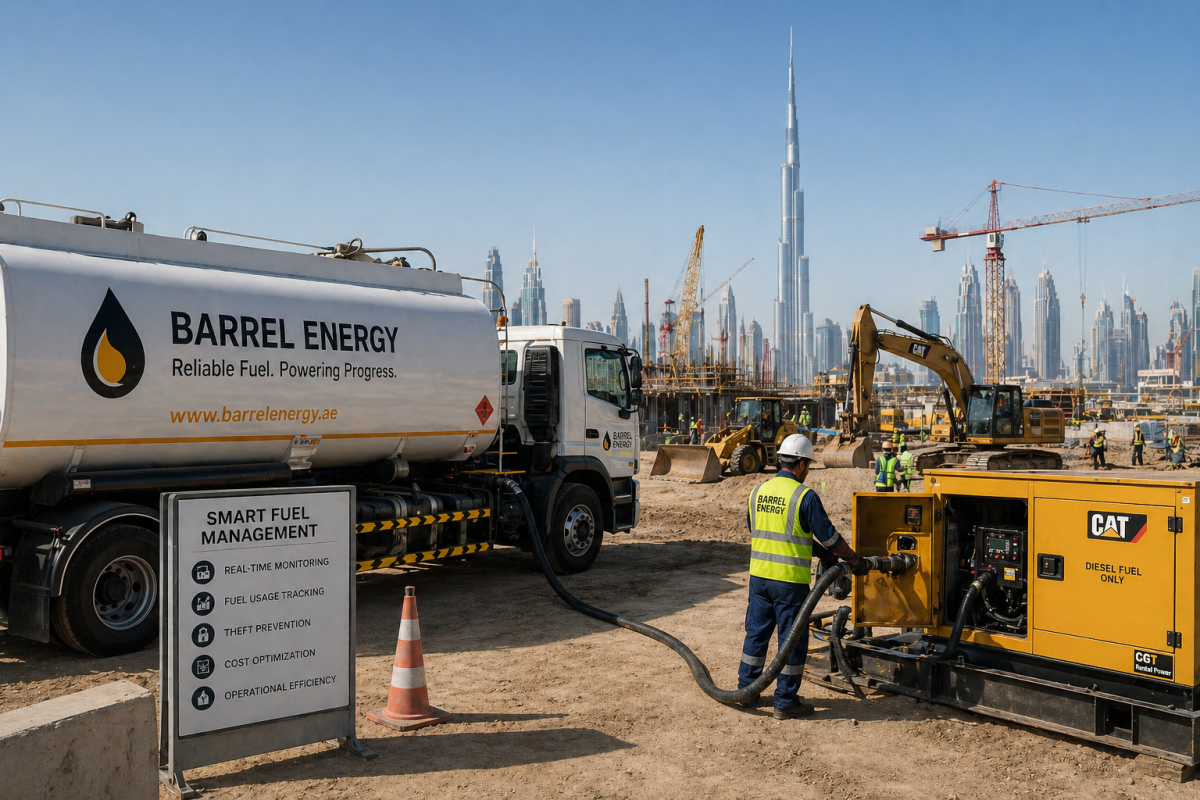
On-Site Fuel Delivery Improves Workflow

Transporting fuel manually can be time-consuming. It can also interrupt daily operations if not managed properly.

Diesel delivery services solve this problem by bringing fuel directly to the site. This reduces downtime and helps maintain a smooth workflow. Many companies depend on a reliable diesel supplier in Dubai to ensure their operations continue without interruption.

Supporting Large-Scale Projects Without Delays

In infrastructure projects, even small delays can cause major problems. Fuel shortages can stop machines and slow down progress.

With proper fuel delivery systems, companies can avoid these risks. Fuel is delivered based on project requirements, ensuring that there is always enough supply available.

Working in Remote Locations

Many construction sites in the UAE are located far from urban areas. These remote locations do not have easy access to fuel stations.

Diesel delivery services play an important role here. They ensure that fuel reaches even the most distant project sites. This allows work to continue without any disruption.

Safe Handling and Transportation of Fuel

Fuel handling requires proper safety measures. Diesel delivery companies follow strict guidelines to prevent accidents.

They use secure tanks and trained staff for transportation. This reduces the chances of spills and ensures safe delivery at all times.

Cost Benefits for Construction Companies

Managing fuel internally can increase costs. Companies need storage, staff, and transport systems.

Diesel delivery services help reduce these expenses. Businesses can focus on their projects while suppliers handle fuel management.

Working with a trusted diesel supplier in UAE can also improve budgeting and cost control.

Continuous Power Supply on Site

Construction sites often need temporary electricity. Diesel generators are used to provide power for tools, lighting, and equipment.

A regular fuel supply is necessary to keep these generators running. Any disruption can affect productivity and project timelines.

Environmental Responsibility in Modern Projects

Today, companies are more aware of environmental impact. Diesel engines have improved over time and now produce fewer emissions.

Fuel suppliers also use better systems to prevent leaks and reduce waste. Proper fuel management helps protect the environment while maintaining efficiency.

Why Diesel is Still the Most Reliable Fuel for Industrial Operations

Why Diesel is Still the Most Reliable Fuel for Industrial Operations. Diesel remains the top choice for industrial and construction work. It offers strong performance, reliability, and efficiency under tough conditions.

Machines powered by diesel can run longer and require less maintenance. This makes diesel a dependable option for large projects.

Flexible Supply Based on Project Needs

Every project is different. Some require daily fuel supply, while others need weekly deliveries.

Diesel delivery services provide flexible options based on demand. This helps companies manage fuel usage more effectively.

Improving Productivity on Construction Sites

When fuel supply is consistent, work becomes more efficient. Machines operate without interruption, and workers can focus on their tasks.

This leads to faster project completion and better results.

Conclusion

Infrastructure projects in the UAE depend heavily on diesel fuel. It powers machines, supports transportation, and ensures continuous work on-site.

Diesel delivery services make fuel management easier and more efficient. They help reduce downtime, improve productivity, and support remote operations.

Choosing the right fuel partner ensures that projects run smoothly from start to finish.

FAQs

1. Why is diesel commonly used in construction?
Diesel provides strong performance and works well for heavy machinery.

2. What is the benefit of diesel delivery services?
It saves time and ensures fuel is always available on-site.

3. Can diesel be delivered to remote areas?
Yes, suppliers deliver fuel to both urban and remote locations.

4. Is diesel cost-effective for large projects?
Yes, it offers better efficiency and long-term savings.

5. How does diesel support generators?
Diesel powers generators to provide electricity at construction sites.