


How Diesel Powers the UAE Logistics Industry
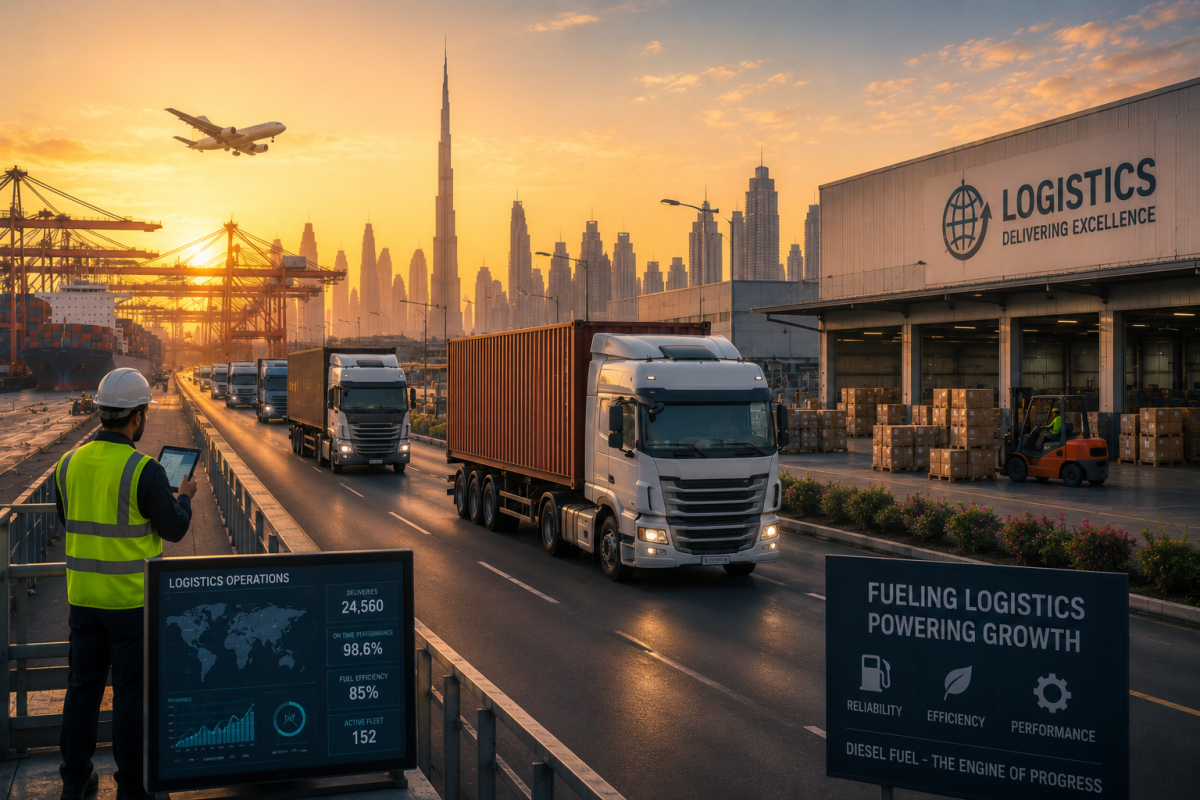
The UAE has become one of the world’s leading logistics and trade hubs. Its strategic location connects Asia, Europe, and Africa, making it an important center for global commerce. Every day, thousands of trucks, delivery vehicles, cargo handlers, and industrial machines work together to move goods across the country.
Behind this massive logistics network is a reliable source of energy: diesel fuel. From transportation fleets to port operations, diesel plays a critical role in ensuring products reach their destinations on time. Without diesel-powered equipment and vehicles, supply chains would face significant disruptions.
Understanding How Diesel Powers the UAE Logistics Industry helps businesses appreciate the importance of reliable fuel supply and efficient fuel management. As trade volumes continue to grow, diesel remains one of the most dependable energy sources supporting logistics operations across the UAE.
The Importance of Logistics in the UAE
Logistics is one of the most important sectors in the UAE economy. The country serves as a gateway for international trade and regional distribution.
Goods arriving through ports and airports must be transported quickly and efficiently. Logistics companies handle everything from transportation and warehousing to inventory management and last-mile delivery.
To maintain this level of efficiency, businesses depend on reliable fuel sources that can support continuous operations.
Why Diesel Remains the Preferred Fuel
Diesel fuel continues to be the preferred choice for logistics companies because it delivers strong performance and efficiency. Diesel engines produce high torque, making them ideal for carrying heavy loads over long distances.
Logistics companies need vehicles that can operate for long hours without sacrificing reliability. Diesel-powered trucks are built for demanding conditions and large-scale transportation tasks.
This combination of power and durability makes diesel an essential part of modern logistics operations.
Diesel Powers Transportation Networks
Road transportation is the backbone of the UAE logistics sector. Thousands of trucks move products between ports, warehouses, industrial zones, and retail locations every day.
Diesel-powered trucks are responsible for delivering construction materials, consumer goods, food products, and industrial equipment throughout the country.
Without reliable diesel fuel, transportation networks would face delays that could impact businesses and customers alike.
Supporting Port Operations
The UAE is home to some of the busiest ports in the region. These facilities handle millions of tons of cargo every year.
Diesel-powered cranes, cargo handling equipment, and transport vehicles help move containers efficiently within port areas. These machines operate continuously to ensure smooth cargo flow.
Port efficiency is directly linked to fuel availability and equipment reliability.
Fueling Warehousing and Distribution Centers
Warehouses are an important part of the logistics chain. Modern distribution centers rely on diesel-powered equipment to manage inventory and move products efficiently.
Forklifts, loading equipment, and backup generators often depend on diesel fuel. These systems help maintain operations even during unexpected power interruptions.
Reliable fuel supply helps warehouses operate smoothly and meet customer expectations.
The Role of Diesel in Last-Mile Delivery
The final stage of logistics is often called last-mile delivery. This is when products are transported from distribution centers to customers.
Delivery vehicles operate throughout cities and industrial areas every day. Diesel engines provide the reliability needed for frequent stops and continuous operation.
As e-commerce continues to grow, efficient delivery systems become even more important.
Diesel and Cold Chain Logistics
Certain products require temperature-controlled transportation. Food, pharmaceuticals, and medical supplies must be stored at specific temperatures during transit.
Diesel-powered refrigeration systems help maintain product quality throughout the supply chain.
Cold chain logistics is a critical industry that depends heavily on dependable fuel sources.
Supporting Construction and Industrial Logistics
Large construction and industrial projects require significant logistics support. Materials, machinery, and equipment must be transported efficiently between locations.
Heavy-duty vehicles powered by diesel handle these transportation requirements every day.
The ability to move large loads safely and efficiently makes diesel an essential part of industrial logistics.
Fuel Reliability and Business Continuity
One of the biggest advantages of diesel fuel is reliability. Logistics companies cannot afford interruptions in their operations.
A dependable diesel supplier in Dubai helps businesses maintain continuous operations and avoid costly delays.
Reliable fuel delivery ensures that fleets remain operational and supply chains continue moving without disruption.
Cost Efficiency in Logistics Operations
Fuel is one of the largest operating expenses for logistics companies. Efficient fuel management can significantly improve profitability.
Diesel engines are known for their fuel efficiency, especially during long-distance transportation. This helps businesses reduce operating costs while maintaining performance.
Many logistics companies invest in modern fleet management systems to monitor fuel consumption and improve efficiency.
Technology and Diesel Logistics
Technology is transforming logistics operations across the UAE. GPS tracking, route optimization, and fleet monitoring systems help businesses improve performance.
These technologies work alongside diesel-powered fleets to maximize efficiency and reduce unnecessary fuel consumption.
Smart fuel management systems also provide valuable insights into vehicle performance and fuel usage.
Environmental Improvements in Diesel Technology
Modern diesel technology is cleaner than ever before. Low-sulfur diesel and advanced engine systems have reduced emissions significantly.
The UAE continues to support cleaner fuel standards and environmentally responsible business practices.
These improvements allow logistics companies to balance operational efficiency with sustainability goals.
Diesel and Emergency Logistics Support
During emergencies or unexpected disruptions, logistics networks become even more important.
Diesel-powered vehicles and backup generators help maintain supply chain operations when challenges arise.
Essential goods such as food, medicine, and fuel can continue reaching communities because of reliable diesel-powered transportation systems.
Fuel Supply Chain Management
Effective fuel management is critical for logistics companies. Businesses need accurate forecasting and reliable supply partners to avoid shortages.
Many companies depend on a trusted diesel supplier in UAE to maintain fuel availability and operational efficiency.
Strong supplier relationships help logistics businesses manage costs and improve service reliability.
Growth of the UAE Logistics Sector
The UAE logistics industry continues to expand as international trade grows. New infrastructure projects, industrial developments, and e-commerce growth are increasing demand for transportation services.
Diesel fuel remains a key factor supporting this expansion. Logistics providers require dependable energy solutions to meet growing customer expectations.
As the sector develops, fuel efficiency and operational reliability will remain important priorities.
Future Opportunities for Diesel in Logistics
Despite the rise of alternative energy technologies, diesel continues to offer advantages for heavy-duty transportation and industrial logistics.
The Future of Diesel Fuel in the UAE Energy Market remains strong because many logistics operations require the power and reliability that diesel provides.
Businesses are likely to adopt a combination of traditional fuel systems and emerging technologies to improve efficiency.
Fuel Cost Management Strategies
Managing fuel costs is essential for long-term profitability. Companies are constantly looking for ways to improve efficiency and reduce waste.
Many businesses focus on strategies that explain How Businesses Can Reduce Diesel Fuel Costs through route optimization, vehicle maintenance, and smart fuel monitoring systems.
These efforts help logistics providers remain competitive while maintaining high service standards.
Challenges Facing Logistics Companies
The logistics industry faces several challenges, including fuel price fluctuations, increasing operational costs, and growing customer expectations.
Companies must continuously improve efficiency while maintaining service quality.
Reliable fuel supply and effective management practices help businesses overcome these challenges and maintain smooth operations.
Conclusion
How Diesel Powers the UAE Logistics Industry is a story of reliability, efficiency, and economic growth. Diesel fuel supports transportation networks, warehousing operations, port activities, and supply chain management across the country.
As logistics demand continues to increase, diesel remains one of the most important energy sources supporting business operations. Modern technology, improved fuel standards, and efficient management practices are helping the industry evolve while maintaining strong performance.
For logistics companies, reliable diesel supply remains essential for delivering products, supporting customers, and driving economic growth throughout the UAE.
FAQs
1. Why is diesel important for the UAE logistics industry?
Diesel powers trucks, cargo equipment, warehouse machinery, and backup systems that keep logistics operations running.
2. What logistics sectors rely most on diesel fuel?
Transportation fleets, ports, warehouses, construction logistics, and cold chain operations depend heavily on diesel.
3. Is diesel still efficient for logistics operations?
Yes. Modern diesel engines provide excellent fuel efficiency and strong performance for heavy-duty transportation.
4. How does diesel support supply chain reliability?
Diesel-powered vehicles and equipment help ensure goods are transported efficiently and on schedule.
5. Will diesel remain important in the future?
Yes. Diesel is expected to remain a key energy source for heavy transport and logistics operations for many years.