Why Businesses in Dubai Need Reliable Diesel Delivery Services

Dubai is one of the fastest-growing business cities in the world. Many industries work day and night to keep things moving. Construction, transport, and factories all depend on fuel to run smoothly. One of the most important fuels used in these industries is diesel.

Diesel is used in machines, trucks, and backup generators. Without it, many businesses cannot operate. This is why having a reliable fuel supply is very important.

Keeping Business Operations Running

Every business needs to run without interruption. Even a small delay can cause big problems. If fuel is not available on time, machines can stop working. This leads to loss of time and money.

Many companies work with a trusted diesel supplier in Dubai to avoid these problems. A reliable supplier makes sure fuel is delivered on time. This helps businesses continue their work without stress.

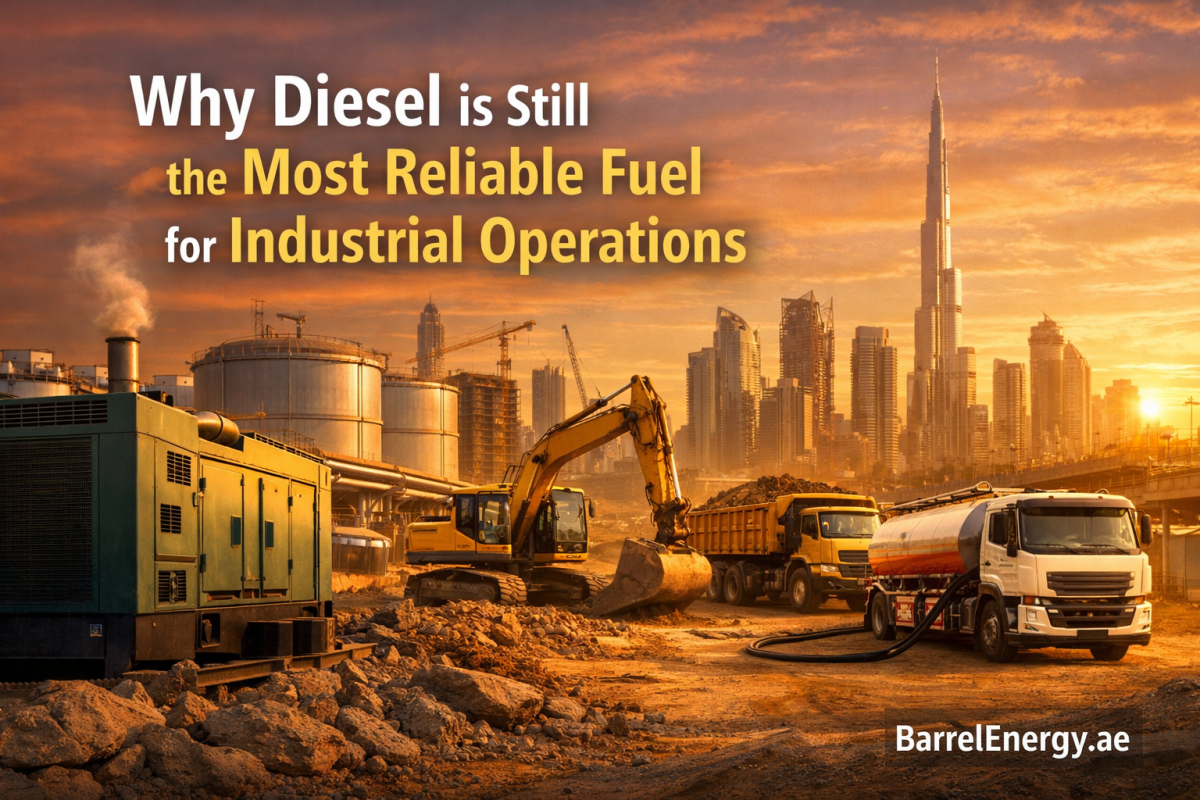
Why Diesel is Still the Most Reliable Fuel for Industrial Operations

Even today, diesel is one of the most trusted fuels in the world. Many industries prefer it because it is strong and efficient. Diesel engines can run for long hours without stopping. They also use less fuel compared to other options.

Another reason is that diesel is easy to store and transport. It is available almost everywhere. This makes it a practical choice for large operations. That is why many experts agree on Why Diesel is Still the Most Reliable Fuel for Industrial Operations.

Supporting Construction Work in Dubai

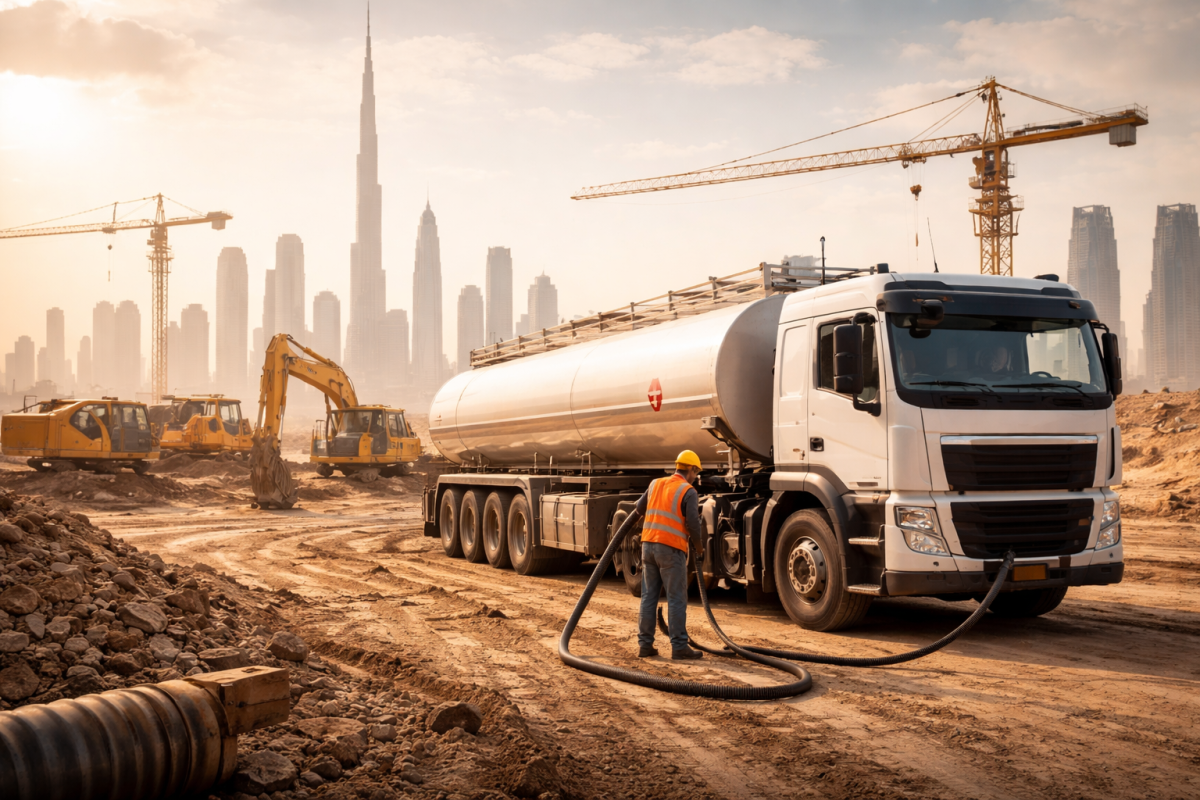
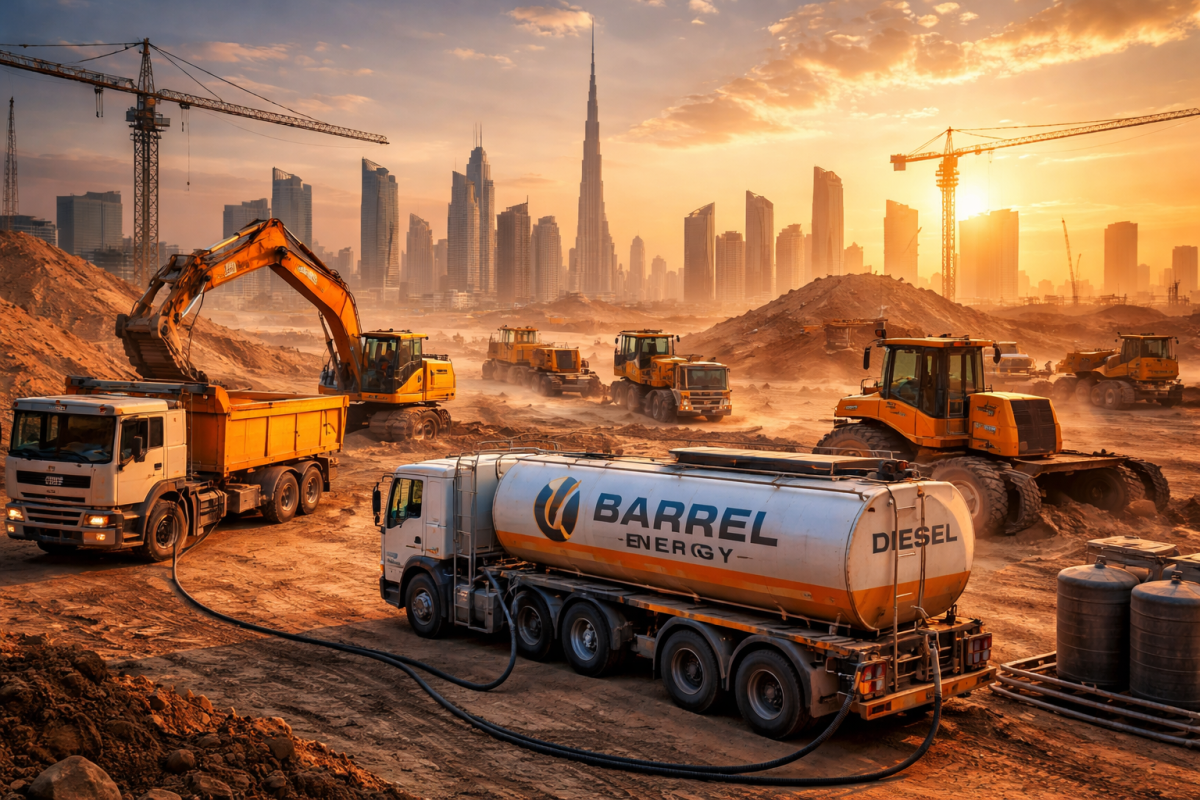
Dubai is always growing. New buildings and roads are being built every day. Construction sites use heavy machines like cranes and excavators. These machines run on diesel.

Fuel is needed daily at these sites. If fuel is not delivered on time, work can stop. This can delay the whole project. Reliable diesel delivery services help avoid these issues and keep projects on track.

Importance of Backup Power

Many businesses use diesel generators as a backup power source. This is very important for places like hospitals, hotels, and offices. If electricity goes out, generators keep everything running.

But generators need fuel to work. A dependable diesel supplier in UAE ensures that fuel is always available when needed. This gives peace of mind to business owners.

Saving Time and Money

Managing fuel can take a lot of time. Businesses need to arrange transport and storage. This can increase costs and create stress.

With diesel delivery services, fuel is delivered directly to the site. This saves time and reduces extra expenses. Companies can also order fuel in bulk, which often costs less.

Easy and Safe Fuel Handling

Handling diesel can be risky if not done properly. There are safety rules that must be followed. Professional suppliers follow all safety standards.

They use proper equipment and trained staff. This reduces the risk of accidents. It also ensures that businesses follow local laws and regulations.

Emergency Fuel Needs

Sometimes, businesses face unexpected fuel shortages. This can happen due to delays or sudden increase in demand.

In such cases, quick delivery is very important. Reliable diesel suppliers offer emergency services. They can deliver fuel quickly and help businesses avoid downtime.

Helping Transport and Logistics

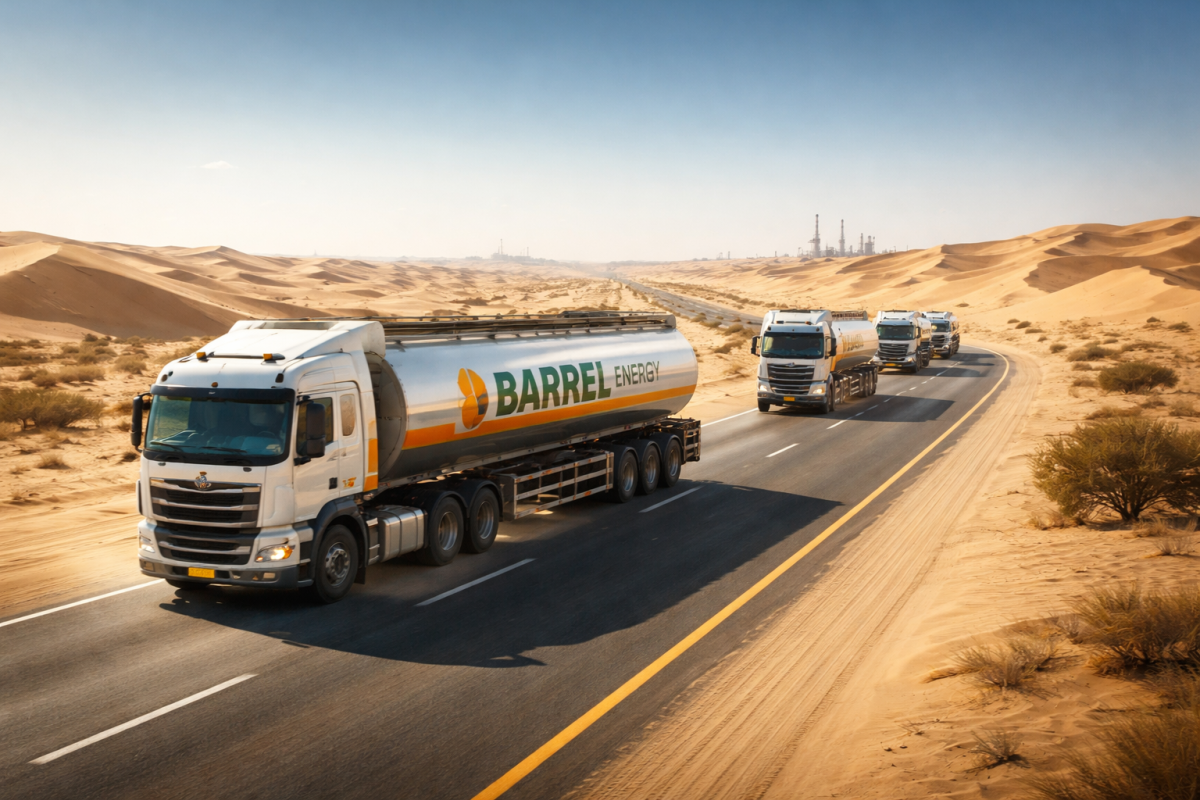
Dubai has a strong transport system. Trucks and delivery vehicles move goods across the city every day. Most of these vehicles run on diesel.

Fuel supply must be regular and reliable. If vehicles do not get fuel, deliveries can be delayed. Diesel delivery services help keep transport systems running smoothly.

Good for Growing Businesses

As businesses grow, their fuel needs also increase. They need more fuel and more frequent deliveries.

A reliable supplier can adjust according to business needs. They can provide more fuel when required. This helps companies grow without worrying about fuel supply.

Conclusion

Diesel is a key part of many businesses in Dubai. From construction to transport, it powers important operations. Without a steady fuel supply, businesses can face serious problems.

Reliable diesel delivery services make sure fuel is always available. They help save time, reduce costs, and improve efficiency. Choosing the right supplier is a smart decision for any business.

In today’s fast-moving world, having a trusted fuel partner is not just helpful—it is necessary.

Factors That Affect Diesel Prices in UAE | Barrel Energy Fuel Insights

The United Arab Emirates has one of the most dynamic fuel markets in the world. Diesel plays a vital role in powering industries such as construction, transportation, marine operations, and heavy machinery. Despite being an oil-rich nation, diesel prices in the UAE are not fixed. They fluctuate based on multiple global and local influences. we are going to discuss Factors That Affect Diesel Prices in UAE in this guide.

For businesses that depend on consistent fuel supply, understanding these price changes is essential. In this guide, Barrel Energy explains the major factors that affect diesel prices in the UAE in a simple, practical, and easy-to-understand way.

Understanding Diesel Pricing in the UAE

Since 2015, the UAE government has deregulated fuel prices. This means diesel rates are revised every month based on international oil market trends. This system ensures transparency and keeps fuel pricing aligned with global benchmarks.

However, it also means businesses must stay updated. Even a small fluctuation in diesel price can significantly impact operational costs, especially for companies relying heavily on transportation or machinery.

Global Crude Oil Prices

The primary driver of diesel prices is the cost of crude oil in the international market. Diesel is a refined product derived from crude oil, so any change in oil prices directly affects diesel costs.

Global oil prices fluctuate due to various reasons, including production cuts, political instability, and economic growth. For example, decisions by oil-producing countries or conflicts in major oil regions can cause immediate price changes.

When crude oil prices increase, diesel prices in the UAE follow the same trend. Conversely, a drop in oil prices can bring some relief to businesses.

Supply and Demand in the Market

Supply and demand play a crucial role in determining diesel prices. During periods of economic growth, construction projects, and infrastructure development, the demand for diesel rises sharply.

When demand increases and supply remains constant, prices go up. On the other hand, during slower economic periods, reduced industrial activity leads to lower demand, which can stabilize or reduce prices.

This balance between supply and demand constantly shapes diesel pricing in the UAE market.

Refining Costs and Production Efficiency

Diesel must go through a complex refining process before it becomes usable fuel. This process requires advanced technology, skilled labor, and significant energy input.

Refining costs can vary depending on maintenance schedules, operational efficiency, and environmental regulations. When refining becomes more expensive, those costs are passed on to the end user.

Improved refinery efficiency can help control costs, but any disruption in production can quickly lead to price increases

Transportation and Logistics Expenses

Another major factor influencing diesel prices is the cost of transporting fuel from refineries to end users. This includes storage, handling, and delivery operations across different regions.

Businesses working with a reliable diesel supplier in dubai often benefit from optimized logistics and timely delivery services. Efficient transportation systems can reduce overall costs, while delays or disruptions can push prices higher.

Logistics is especially important in large-scale operations where fuel demand is continuous and high.

Quality and Type of Diesel Fuel

The type and quality of diesel fuel also affect pricing. High-quality diesel that meets environmental and performance standards may cost more due to additional processing and compliance requirements.

Cleaner fuels produce fewer emissions and improve engine performance, making them a preferred choice for modern industries. However, producing such fuel involves higher refining costs, which impacts the final price.

Businesses must balance cost and quality when choosing fuel for their operations.

Competition Among Diesel Suppliers

The UAE has a competitive fuel market with multiple companies offering diesel supply services. This competition can influence pricing and service quality.

Working with trusted diesel suppliers in uae ensures that businesses receive competitive rates along with reliable delivery. Suppliers often differentiate themselves through pricing strategies, service efficiency, and fuel quality.

Choosing the right supplier can make a significant difference in managing operational expenses.

Government Regulations and Policies

Although the UAE follows a deregulated pricing model, government oversight still plays a role in maintaining market stability. Authorities review and announce fuel prices monthly, ensuring they reflect global trends.

Environmental regulations and fuel standards can also impact pricing. For example, stricter emission requirements may increase production costs, which are then reflected in diesel prices.

These policies are designed to ensure sustainability while maintaining fair pricing for consumers.

Currency Exchange Rates

Diesel and crude oil are traded globally in US dollars. As a result, currency exchange rates can influence diesel pricing in the UAE.

If the US dollar strengthens, importing fuel-related services becomes more expensive, which can lead to higher diesel prices. On the other hand, a weaker dollar may help stabilize costs.

Although this factor may seem indirect, it plays a significant role in global fuel economics.

Seasonal Demand and Economic Activity

Seasonal trends and economic cycles also impact diesel demand. In the UAE, diesel consumption often increases during periods of rapid construction and infrastructure expansion.

Mega projects, urban development, and industrial growth all contribute to higher fuel demand. This increased demand can drive prices upward, especially when supply chains are under pressure.

Similarly, during slower periods, reduced activity may lead to more stable pricing.

Geopolitical Influences

Global political events can have a major impact on diesel prices. Conflicts in oil-producing regions, trade restrictions, and international sanctions can disrupt supply chains and create uncertainty in the market.

Even the anticipation of geopolitical tension can cause oil prices to fluctuate. Since the UAE is part of the global energy network, it is directly affected by these developments.

Businesses must stay informed about global events to better anticipate price changes.

Infrastructure Development in the UAE

The UAE continues to invest heavily in infrastructure, including transportation, construction, and energy projects. This ongoing development increases the demand for diesel.

As demand rises, prices may also increase, especially if supply struggles to keep up. However, improved infrastructure also enhances fuel distribution efficiency, which can help stabilize costs over time.

This balance between demand growth and supply efficiency shapes long-term pricing trends.

Understanding the Supply Chain

To fully understand pricing, it’s important to explore How Diesel Supply Works in Dubai. From refining and storage to transportation and final delivery, every step in the supply chain adds to the overall cost.

Efficient supply chain management ensures timely delivery and minimizes losses, helping control prices. Any disruption in this chain—such as delays, shortages, or logistical challenges—can quickly lead to price increases.

This is why working with experienced suppliers is crucial for businesses that rely on consistent fuel access.

Environmental and Sustainability Factors

The UAE is increasingly focusing on sustainability and reducing carbon emissions. This shift is influencing the fuel industry, including diesel production and consumption.

Cleaner fuel technologies and stricter environmental standards often come with higher costs. However, they also provide long-term benefits such as reduced emissions and improved efficiency.

As sustainability becomes a priority, diesel pricing may continue to reflect these evolving standards.

How Barrel Energy Helps You Stay Ahead

At Barrel Energy, we understand how changing diesel prices can affect your business operations. That’s why we provide reliable, efficient, and cost-effective fuel supply solutions across the UAE.

Our services are designed to ensure consistent delivery, competitive pricing, and high-quality diesel for all industries. Whether you operate in construction, transport, or industrial sectors, we help you manage fuel costs effectively.

By choosing a trusted partner, you can focus on growing your business while we handle your fuel needs.

Conclusion of Factors That Affect Diesel Prices in UAE

Diesel prices in the UAE are influenced by a complex combination of global and local factors. From crude oil prices and supply-demand dynamics to logistics, regulations, and geopolitical events, each element plays a role in shaping the final cost.

Understanding these factors allows businesses to plan better, reduce expenses, and make informed decisions. With expert support from Barrel Energy, you can navigate these fluctuations with confidence and ensure uninterrupted operations.

Why Diesel Quality Matters for Heavy Equipment in UAE

Why Diesel Quality Matters for Heavy Equipment in UAE is a critical topic for businesses operating in construction, logistics, marine, and industrial sectors. In the UAE’s demanding environment, where extreme heat, dust, and heavy workloads are common, the quality of diesel fuel directly impacts the performance, efficiency, and lifespan of heavy equipment.

From excavators and bulldozers to generators and transport fleets, using low-quality diesel can lead to frequent breakdowns, increased maintenance costs, and reduced operational efficiency. That’s why understanding Why Diesel Quality is essential for companies that want to maintain productivity and reduce long-term costs.

Why Diesel Quality Matters for Heavy Equipment in UAE

The importance of Why Diesel Quality Matters for Heavy Equipment in UAE cannot be overstated. High-quality diesel ensures optimal combustion, better fuel efficiency, and smoother engine operation. In contrast, poor-quality diesel often contains impurities, water, or incorrect sulfur levels, which can damage engine components over time.

In the UAE, heavy equipment operates under extreme conditions, making fuel quality even more important. Inferior diesel can cause injector clogging, filter blockage, and incomplete combustion, leading to power loss and higher emissions. Businesses relying on a professional Diesel supplier in Dubai must ensure consistent fuel quality to avoid these issues.


Impact of Diesel Quality on Engine Performance

When discussing Why Diesel Quality Matters for Heavy Equipment in UAE, engine performance is one of the most significant factors.

High-quality diesel provides:

  • Efficient combustion
  • Improved horsepower
  • Reduced engine knocking

Low-quality diesel, on the other hand, leads to:

  • Poor ignition
  • Increased smoke emissions
  • Reduced engine output

Heavy machinery requires consistent power to perform demanding tasks. Poor diesel quality disrupts this balance, affecting productivity and increasing downtime.


Fuel Efficiency and Cost Savings

Another major reason behind Why Diesel Quality Matters for Heavy Equipment in UAE is fuel efficiency. High-grade diesel burns more completely, delivering more energy per liter. This results in lower fuel consumption and better mileage for heavy equipment.

In industries where fuel costs make up a large portion of operational expenses, even a small improvement in fuel efficiency can lead to significant savings. Companies that partner with a reliable Diesel supplier in UAE often experience better fuel economy and long-term financial benefits.


Reduced Maintenance and Downtime

Maintenance costs can quickly escalate when poor-quality diesel is used. Understanding Why Diesel Quality Matters for Heavy Equipment in UAE helps businesses prevent unnecessary repairs.

Contaminated diesel can cause:

  • Injector damage
  • Fuel pump wear
  • Carbon deposits in the engine

These issues lead to frequent breakdowns and increased maintenance schedules. High-quality diesel, on the other hand, keeps the engine clean and reduces wear and tear, ensuring longer intervals between servicing.

Protection Against Harsh UAE Climate

The UAE’s extreme temperatures make fuel quality even more critical. One of the key aspects of Why Diesel Quality Matters for Heavy Equipment in UAE is how diesel behaves under high heat conditions.

Poor diesel can:

  • Evaporate improperly
  • Form deposits under heat
  • Lose its lubrication properties

High-quality diesel is specially refined to withstand these conditions, ensuring consistent performance even during peak summer temperatures.


Environmental Compliance and Emissions

Environmental regulations in the UAE are becoming stricter, making Why Diesel Quality Matters for Heavy Equipment even more relevant.

Low-quality diesel produces:

  • Higher carbon emissions
  • Black smoke
  • Harmful pollutants

High-quality diesel reduces emissions and helps businesses comply with environmental standards. This is especially important for companies working on government projects or large-scale developments.

Fuel quality and tyre quality go hand in hand when it comes to heavy equipment performance. While premium diesel improves engine efficiency, the right tyres play a critical role in stability, durability, and fuel economy. By sourcing dependable vehicle tyres from Underyours, businesses can maximize the benefits of high-quality diesel and achieve better long-term results.


Longevity of Heavy Equipment

Heavy machinery is a significant investment, and protecting it should be a top priority. One of the strongest arguments for Why Diesel Quality Matters for Heavy Equipment in UAE is equipment longevity.

Using premium diesel:

  • Extends engine life
  • Reduces component wear
  • Improves overall reliability

Poor-quality fuel shortens the lifespan of machinery, leading to early replacements and increased capital expenditure.


Operational Reliability and Productivity

Downtime can severely impact project timelines. Understanding Why Diesel Quality Matters for Heavy Equipment ensures consistent operations.

Reliable diesel fuel helps:

  • Maintain steady engine performance
  • Avoid unexpected breakdowns
  • Improve overall productivity

For industries like construction and logistics, where time is money, fuel quality directly affects business success.


Choosing the Right Diesel Supplier

Selecting the right supplier is crucial when considering Why Diesel Quality Matters for Heavy Equipment.

A reliable supplier offers:

  • Consistent fuel quality
  • Timely delivery
  • Compliance with UAE standards

Businesses should always work with trusted suppliers who prioritize fuel testing, storage standards, and efficient delivery systems.

Conclusion

In conclusion, is not just a technical concern but a strategic business decision. High-quality diesel improves performance, reduces costs, ensures compliance, and extends equipment life.

Companies that prioritize fuel quality gain a competitive advantage by maintaining efficiency and minimizing operational risks. Investing in premium diesel is not an expense—it’s a long-term investment in productivity and reliability.

FAQs

1. Why Diesel Quality Matters for Heavy Equipment in UAE?

Diesel quality affects engine performance, fuel efficiency, maintenance costs, and equipment lifespan, especially under UAE’s harsh conditions.

2. What happens if low-quality diesel is used?

Low-quality diesel can cause engine damage, poor performance, higher emissions, and frequent breakdowns.

3. How does diesel quality impact fuel efficiency?

High-quality diesel burns more efficiently, reducing fuel consumption and operational costs.

4. Is diesel quality important for all industries?

Yes, especially for construction, logistics, marine, and industrial sectors relying on heavy equipment.

5. How can I ensure good diesel quality?

Work with reliable suppliers, check fuel certifications, and ensure proper storage practices.

Why Diesel is Still the Most Reliable Fuel for Industrial Operations

Industrial operations depend heavily on reliable energy sources to maintain productivity, safety, and operational efficiency. From construction sites and manufacturing plants to logistics fleets and marine operations, industries require a fuel that delivers consistent power under demanding conditions.

Despite the rise of alternative energy technologies, diesel continues to play a crucial role in powering industrial activities worldwide. Its high energy output, durability in heavy machinery, and dependable supply infrastructure make it the preferred fuel for many sectors.

In industries where downtime can cost thousands of dollars per hour, reliability becomes the most important factor when choosing a fuel source. This is why diesel remains one of the most trusted fuels for powering equipment, vehicles, and generators across large-scale industrial operations.

Why Fuel Reliability Matters for Industrial Businesses

For industrial companies, reliable fuel supply is not just a convenience — it is essential for survival and profitability. Operations such as construction, transportation, and manufacturing rely on continuous energy availability to keep projects on schedule and avoid costly delays.

When fuel supply becomes inconsistent, businesses may face:

  • Project delays and missed deadlines
  • Equipment downtime
  • Increased operational costs
  • Reduced productivity

A dependable fuel like diesel minimizes these risks because it provides consistent performance and is widely available through established supply networks.

Industrial facilities often run multiple machines simultaneously, including generators, pumps, cranes, and heavy vehicles. These machines require fuel that can handle high loads and continuous operation without compromising efficiency. Diesel meets these requirements exceptionally well, making it the preferred fuel in many industrial sectors.

High Energy Density: Why Diesel Powers Heavy Machinery

One of the primary reasons diesel is widely used in industrial environments is its high energy density. Diesel fuel contains more usable energy per liter compared to gasoline and several alternative fuels. This means machinery powered by diesel can operate longer and produce more power with less fuel consumption.

Heavy equipment used in construction and mining relies on strong torque and sustained power. Diesel engines are designed specifically to deliver this type of performance. Machines that commonly depend on diesel fuel include:

  • Excavators
  • Bulldozers
  • Dump trucks
  • Industrial generators
  • Forklifts
  • Marine engines

These machines often operate for extended periods under heavy loads. Diesel engines provide the strength and endurance needed to maintain productivity in demanding conditions.

The higher energy density of diesel also helps businesses reduce refueling frequency, which can be particularly important in remote industrial sites where fuel delivery may be less frequent.

Diesel Engines Are Built for Durability

Another reason diesel remains the most reliable fuel for industrial operations is the durability of diesel engines. These engines are designed to withstand intense workloads, high temperatures, and long operating hours.

Compared to gasoline engines, diesel engines generally have:

  • Stronger internal components
  • Higher compression ratios
  • Longer operational lifespans
  • Lower wear under heavy loads

Industrial machinery often operates continuously throughout the day, sometimes even around the clock. Diesel engines are built to handle these demands without frequent breakdowns or performance issues.

This durability reduces maintenance costs and equipment downtime, which are critical factors for industries where equipment failure can disrupt entire projects.

Because of their longevity, diesel engines are commonly used in sectors such as construction, transportation, agriculture, and power generation.

Diesel Infrastructure Is Already Well Established

Another key advantage of diesel fuel is the extensive infrastructure that supports its production, storage, and distribution. Over decades, a strong global supply chain has been built around diesel, making it widely available in nearly every region.

Industrial companies benefit from this established network because it ensures fuel availability even during periods of high demand. Storage facilities, transport systems, and distribution networks are already designed to handle large volumes of diesel efficiently.

Businesses operating in regions like the Middle East often rely on well-developed supply systems such as the Diesel Supply Chain in UAE, which ensures fuel reaches construction sites, industrial facilities, and transportation fleets without delays.

This established infrastructure allows industries to plan operations with confidence, knowing that their fuel needs can be met consistently.

Reliable Performance in Harsh Environments

Industrial operations often take place in challenging environments where equipment must perform under extreme conditions. Construction sites, mining locations, offshore facilities, and remote industrial zones all require machinery that can function reliably despite environmental challenges.

Diesel engines are known for their ability to operate efficiently in:

  • High-temperature desert environments
  • Dusty construction sites
  • Remote mining areas
  • Marine and offshore locations

Their design allows them to perform consistently even when conditions are less than ideal. Diesel engines also tend to handle heavy loads better than many alternative fuel engines, making them well-suited for industrial tasks.

In addition, diesel generators are widely used as backup power sources in facilities where electricity outages can cause serious disruptions. Hospitals, data centers, factories, and logistics hubs rely on diesel generators to maintain operations during emergencies.

Cost Efficiency for Large-Scale Operations

Cost efficiency is another major reason diesel remains the preferred fuel for many industrial operations. Diesel engines typically consume less fuel than gasoline engines when performing similar tasks, which translates into better fuel economy over time.

For industries that operate fleets of vehicles or heavy machinery, this efficiency can lead to significant cost savings.

Benefits of diesel fuel efficiency include:

  • Lower fuel consumption per hour of operation
  • Reduced refueling frequency
  • Lower long-term operational costs

Although the initial purchase price of diesel-powered equipment may sometimes be higher, the long-term savings from reduced fuel consumption and maintenance often outweigh the initial investment.

Industrial companies that operate construction fleets, transportation vehicles, or generator systems can achieve substantial cost benefits by using diesel-powered equipment.

Diesel for Backup Power and Emergency Systems

Diesel generators play a crucial role in maintaining power stability in critical infrastructure. Many industries cannot afford interruptions in electricity because even short outages can cause financial losses or safety risks.

Diesel-powered backup systems are commonly used in:

  • Hospitals
  • Manufacturing plants
  • Data centers
  • Airports
  • Commercial buildings

These generators provide immediate power when the primary electricity supply fails. Diesel fuel is ideal for backup systems because it can be stored safely for extended periods and remains stable over time.

In emergency situations, reliable fuel access becomes even more important. Services like Bulk Diesel Delivery Services help ensure that generators and equipment always have the fuel they need to operate during unexpected power disruptions.

This reliability makes diesel an essential component of industrial emergency planning.

The Role of Diesel Suppliers in Industrial Operations

A reliable fuel supply partner is just as important as the fuel itself. Industrial businesses depend on timely fuel deliveries to keep operations running smoothly.

Professional fuel suppliers provide services such as:

  • Scheduled fuel deliveries
  • Emergency fuel supply
  • Bulk diesel storage solutions
  • Fuel logistics management

For businesses operating in major industrial hubs, working with a trusted Diesel Supplier in Dubai ensures that equipment, fleets, and generators always have access to the fuel they need.

Fuel suppliers play a critical role in maintaining operational continuity by coordinating deliveries, managing logistics, and ensuring consistent fuel quality.

Companies that partner with experienced diesel suppliers can focus on their core operations without worrying about fuel shortages or delivery delays.

The Future of Diesel in the Energy Transition

While renewable energy sources are gaining popularity, diesel continues to play an important role in the global energy mix. Many industries still require high-power fuel sources that renewable technologies cannot yet fully replace.

However, the diesel industry is also evolving to become cleaner and more efficient. Modern developments include:

  • Ultra-low sulfur diesel fuels
  • Improved engine technologies
  • Hybrid systems combining diesel and renewable energy

These advancements help reduce emissions while maintaining the reliability and power that industries require.

In many cases, diesel will continue to serve as a bridge fuel while renewable energy infrastructure expands. For heavy industrial operations, diesel remains one of the most practical and dependable energy solutions available today.

Conclusion

Diesel has powered industrial development for decades, and it continues to be one of the most reliable fuels for heavy-duty operations. Its high energy density, durable engine performance, established supply infrastructure, and cost efficiency make it the preferred choice for industries worldwide.

From construction sites and transportation fleets to backup power systems and remote industrial facilities, diesel provides the strength and reliability needed to keep operations running smoothly.

As technology continues to improve fuel efficiency and reduce emissions, diesel will remain a vital energy source for many sectors. Businesses that depend on heavy machinery and continuous power supply will continue to rely on diesel to maintain productivity and operational stability.

By partnering with dependable fuel suppliers and maintaining a reliable supply chain, industrial companies can ensure they always have the energy needed to keep their operations moving forward.

How Diesel Supply Works in Dubai: A Complete Guide

Dubai is one of the fastest-growing business hubs in the world, with massive construction projects, advanced logistics networks, and large-scale industrial operations. Behind many of these activities is a critical energy source: diesel fuel. From construction machinery to transportation fleets and backup power generators, diesel plays a vital role in keeping businesses running smoothly.

Understanding howdiesel supply process in Dubai helps businesses manage fuel needs efficiently and maintain uninterrupted operations. The diesel supply chain involves multiple stages, including refining, storage, distribution, and delivery to commercial users.

Why Diesel Is Important for Dubai’s Economy

Diesel fuel powers many sectors that drive Dubai’s economic growth. It is widely used because of its efficiency, reliability, and ability to power heavy equipment.

Construction Industry

Dubai’s skyline continues to expand with new infrastructure and real estate developments. Heavy machinery such as excavators, cranes, bulldozers, and loaders rely on diesel to operate effectively on construction sites.

Transportation and Logistics

Dubai is a major global logistics hub. Cargo trucks, freight transport vehicles, and commercial fleets depend heavily on diesel engines to move goods across the region.

Industrial Manufacturing

Factories and industrial facilities often use diesel-powered equipment and generators to support production processes.

Backup Power Systems

Many businesses rely on diesel generators as backup power sources during emergencies or power interruptions.

Understanding the Diesel Supply Chain in Dubai

The diesel supply process in Dubai chain is a structured process that ensures fuel reaches businesses safely and efficiently. Several steps are involved in this process.

Diesel Production and Import

Diesel fuel is produced in oil refineries and may also be imported from global energy markets. The UAE has a strong petroleum industry that ensures a steady supply of refined fuel products.

Fuel Storage Terminals

After refining or import, diesel is stored in large fuel terminals. These facilities maintain large volumes of diesel to ensure consistent availability across the market.

Distribution to Fuel Companies

From storage terminals, diesel fuel is transported through licensed fuel distribution companies. These companies are responsible for moving fuel to suppliers and commercial users.

Delivery to Businesses

Once the fuel reaches suppliers, it is delivered directly to businesses, construction sites, industrial plants, and commercial facilities through tanker trucks and fuel delivery systems.

Businesses that require a continuous fuel supply often work with a reliable diesel supplier in Dubai to ensure fuel is delivered directly to their operations.

Types of Diesel Supply Services in Dubai

Businesses in Dubai use different diesel supply services depending on their operational needs.

Bulk Diesel Supply

Large construction projects and industrial operations typically require bulk diesel supply. Fuel is delivered in large quantities to support heavy machinery and equipment.

On-Site Diesel Delivery

Many companies prefer on-site diesel delivery, where fuel tankers deliver diesel directly to construction sites or industrial locations.

Emergency Diesel Delivery

Some suppliers offer emergency fuel delivery services to ensure businesses can quickly obtain diesel during unexpected shortages.

Generator Diesel Supply

Commercial buildings, hospitals, and data centers often require diesel supply for backup generators to maintain operations during power outages.

Many organizations partner with professional diesel supplier in UAE companies to maintain consistent fuel availability.

Diesel Storage and Safety Practices

Proper diesel storage is essential for maintaining fuel quality and safety. Businesses that store diesel typically follow strict safety guidelines.

Common storage practices include:

  • Using certified diesel storage tanks
  • Protecting fuel from contamination
  • Monitoring temperature and storage conditions
  • Regular inspection and maintenance of storage systems

Proper storage helps prevent fuel degradation and ensures optimal performance for machinery and generators.

Diesel Supply Regulations in the UAE

Fuel distribution and handling in the UAE are regulated to ensure safety and environmental protection. Companies involved in fuel supply must follow government regulations related to fuel transportation, storage, and distribution.

These regulations ensure that diesel fuel is handled safely and delivered according to approved industry standards.

Challenges in Diesel Supply and Distribution

Although the diesel supply process in Dubai is highly efficient, businesses may sometimes face challenges such as:

  • Fuel price fluctuations
  • Transportation logistics
  • Supply chain disruptions
  • Maintaining consistent fuel quality

Effective fuel management strategies help companies minimize these risks.

How Businesses Ensure Reliable Diesel Supply

To maintain continuous operations, many companies adopt strategic fuel management practices.

These include:

  • Planning fuel consumption in advance
  • Establishing long-term fuel supply agreements
  • Using bulk fuel purchasing strategies
  • Working with experienced diesel supply partners

Reliable supply partners help businesses avoid operational delays and maintain productivity.

Future of diesel supply process in Dubai

Dubai continues to expand its infrastructure, transportation networks, and industrial sectors. As a result, the demand for diesel fuel remains strong.

Future trends in diesel supply include:

  • Improved fuel logistics systems
  • Smart fuel monitoring technology
  • advanced supply chain management
  • sustainable fuel practices

These developments will continue to support the growing energy needs of businesses across the UAE.

Conclusion

Diesel fuel plays a critical role in powering Dubai’s industries, transportation networks, and construction projects. The diesel supply chain—from refining and storage to distribution and delivery—ensures businesses receive the fuel they need to operate efficiently.

Understanding how diesel supply works allows companies to manage fuel consumption effectively and maintain reliable operations in a rapidly growing economic environment.